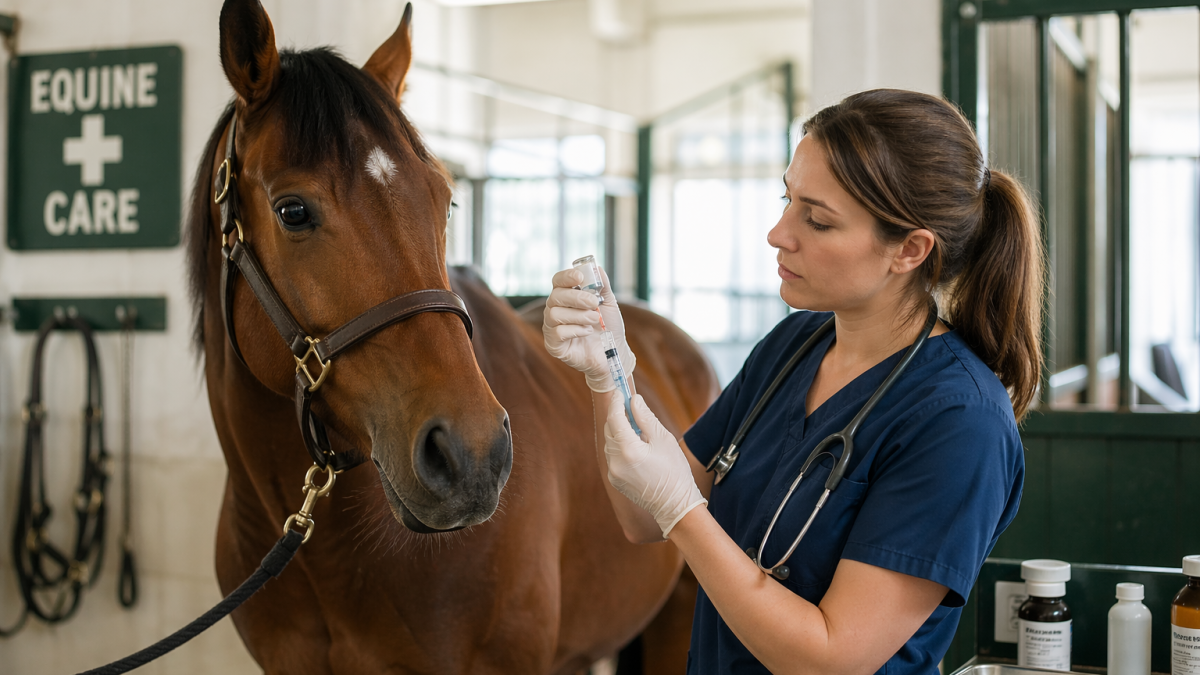
Equine Sedation
Equine sedation has become an essential part of modern horse care, helping veterinarians and handlers manage horses safely during medical and routine procedures. Experts say that sedation not only reduces stress in horses but also prevents injuries to both animals and humans. From dental treatments to transportation, the controlled use of sedatives allows for smoother handling of horses that may otherwise become anxious or uncooperative. However, specialists emphasize that sedation should always be used responsibly and under professional guidance to avoid potential risks.
Identify Your Horse’s Needs
According to equine care professionals, understanding a horse’s individual needs is the first step before considering sedation. Horses with a history of nervous behavior, fear, or aggression are more likely to require calming support during certain activities. On the other hand, well-trained and calm horses may only need minimal or no sedation. Experts advise horse owners to assess behavior patterns and past experiences before making any decision.
Consider Age, Weight, and Activity Level
Veterinarians highlight that factors such as age, weight, and activity level play a crucial role in determining the correct sedation approach. Older horses or those with health conditions may react differently to sedatives, requiring careful dose adjustments. Similarly, a horse’s body weight directly influences the amount of medication used, while its activity level can affect how quickly it responds and recovers. Proper evaluation helps reduce complications and ensures effective results.
Evaluate Type of Sedation and Purpose
Industry experts note that sedation is not a one-size-fits-all solution. Different procedures require different levels of sedation, ranging from mild calming agents to stronger medications for surgical interventions. The choice depends on the purpose, duration, and intensity of the procedure. Selecting the right type of sedation is critical to achieving the desired outcome without causing unnecessary discomfort to the horse.
Monitor Horse’s Response and Behavior
Monitoring remains a key aspect of safe sedation practices. Professionals recommend closely observing the horse after administering sedatives to ensure it responds as expected. Common signs include relaxation, lowered head position, and reduced movement. However, any unusual reactions, such as instability or extreme lethargy, should be addressed immediately. Continuous observation helps maintain safety throughout the process.
Adjust Sedation Plan Based on Procedure
Experts suggest that sedation plans should be flexible and adjusted according to the specific procedure. Short tasks may require only light sedation, while more complex or lengthy procedures might need stronger or repeated doses. Tailoring the approach not only improves efficiency but also minimizes risks, ensuring better outcomes for both the horse and the handler.
When to Consult a Veterinarian
Veterinary professionals strongly advise consulting a qualified veterinarian before using any sedatives. Incorrect usage can lead to serious health complications, particularly in horses with pre-existing conditions. A veterinarian can evaluate the horse’s health status, recommend appropriate medications, and supervise the process. In many cases, professional involvement is essential to ensure safe and effective sedation.
Frequently Asked Questions about Equine Sedation
What Is Equine Sedation Used For?
A: Equine sedation is widely used for medical treatments, dental care, hoof trimming, and transportation. It helps reduce stress and allows procedures to be carried out safely and efficiently.
Is Sedation Safe for Horses
A: Experts state that sedation is generally safe when administered correctly by professionals. However, risks can arise if dosages are incorrect or if the horse has underlying health issues.
How Long Does Sedation Last in Horses
A: The duration varies depending on the medication used and the horse’s condition. Some sedatives last less than an hour, while others may have longer effects.
When Should Sedation Be Avoided
A: Sedation should be avoided or used cautiously in horses with respiratory or heart problems, as well as in pregnant mares and young foals, unless advised by a veterinarian.