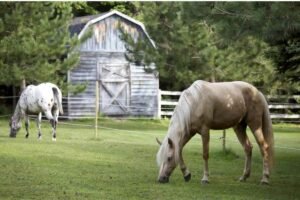
The government has shared new long-term land use plans. These plans recognise the important role of equine land. This is good news for horse owners. It shows that horse land is valuable for both animals and the environment.
What Is Equine Land?
Equine land is used for keeping and caring for horses. It includes stables, grazing fields, and training areas. This land supports horse health and daily activity. It also helps maintain green and open spaces.
Why Equine Land Matters
Equine land plays an important role in rural areas. It supports animal welfare and local economies. Many people depend on horse-related activities. These include training, riding, and breeding. Clean and open land also helps the environment.
Government Long-Term Land Use Plans
The government wants to manage land in a better way. These plans focus on sustainability and smart use of resources. They aim to balance farming, housing, and animal care. Equine land is now part of this vision.
Impact on Horse Owners
These plans could bring both benefits and challenges. Horse owners may get better support for land use. There may be clearer rules for managing equine land. However, some areas may face restrictions. Owners need to stay informed and prepared.
Benefits for Horse Welfare
Better land planning can improve horse welfare. Horses need space to move and graze. Protected land ensures a healthy lifestyle. It also reduces stress and disease risk. This leads to stronger and happier horses.
Environmental Benefits
Equine land helps protect nature. Grass fields support soil health and reduce pollution. Trees and open land improve air quality. Horses also encourage the use of natural and green spaces.
Challenges to Consider
Some horse owners may face land use limits. Costs of land management may increase. New rules may require changes in current practices. It is important to understand these changes early.
Conclusion
The recognition of equine land is a positive step. It shows that horses and their environment matter. Horse owners should adapt to these plans. With proper planning, they can benefit in the long term.