Introduction
Are you frequently frustrated by your hoof knife quickly becoming dull, affecting your efficiency and quality of hoof trimming? A persistently dull hoof knife is a common issue faced by farriers, often caused by avoidable mistakes. Understanding these errors can significantly extend your tool’s sharpness and effectiveness. This guide explores the top reasons your hoof knife dulls rapidly, providing practical advice to maintain optimal performance and avoid unnecessary downtime.
Incorrect Sharpening Techniques
Incorrect sharpening techniques are one of the primary reasons hoof knives become dull quickly. Frequent mistakes include inconsistent sharpening angles, applying excessive pressure, and failing to finish with proper honing. Always maintain a consistent 20-25 degree angle and apply controlled, gentle pressure while sharpening. Finish sharpening sessions by honing on a leather strop for a polished, sharp edge.
Inadequate Blade Maintenance
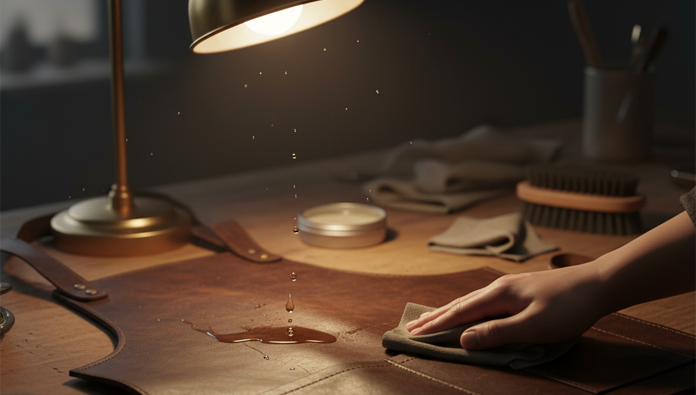
Regular maintenance significantly influences the longevity of your hoof knife. Neglecting routine cleaning, drying, and oiling allows rust and corrosion to develop, which can prematurely dull blades. Implement a thorough cleaning routine after every use, drying completely and applying a thin layer of protective oil to prevent corrosion.
Improper Storage Conditions
Improper storage conditions, such as damp or humid environments, quickly lead to blade dullness through corrosion. Store hoof knives in dry, humidity-controlled spaces. Consider using protective sheaths, moisture absorbers like silica gel packs, and dedicated storage compartments to preserve blade sharpness.
Using Hoof Knives for Inappropriate Tasks
Using your hoof knife for tasks it isn’t designed for can rapidly dull or damage the blade. Reserve your hoof knives exclusively for hoof trimming and avoid tasks like prying or cutting materials that could damage the cutting edge.
Low-Quality Blade Materials
Investing in high-quality hoof knives made from superior blade materials such as stainless steel or high-carbon steel significantly reduces frequent dulling. Inferior-quality blades tend to dull quickly, necessitating frequent repairs and replacements.
Frequent Blade Contact with Hard Surfaces
Repeatedly allowing the blade to contact hard surfaces like rocks or metal significantly accelerates dulling. Develop careful trimming habits and pay close attention to blade positioning to avoid unnecessary contact with abrasive or hard surfaces.
Overlooking Regular Inspections
For example, experienced farrier Mark significantly extended the sharpness of his hoof knives by introducing simple, routine inspections into his trimming schedule. Similarly, Julie noticed a substantial reduction in blade replacements after adopting proper sharpening and storage practices, highlighting the practical benefits of diligent maintenance.
Failing to inspect blades regularly can allow minor issues to escalate, leading to rapid dulling and significant blade damage. Regular, thorough inspections before each use ensure timely identification and correction of potential dullness or damage.
Conclusion
Rapid dulling of hoof knives is a common but avoidable problem among farriers. Understanding and rectifying common mistakes related to sharpening, maintenance, storage, and usage can dramatically enhance your tool’s lifespan and performance. Following these best practices ensures consistently sharp blades, enhancing safety, efficiency, and trimming quality.
Call to Action
Evaluate and refine your hoof knife care routines today. Adopt proper sharpening techniques, regular maintenance practices, and appropriate storage methods. Proactive measures will significantly extend your hoof knife’s sharpness and effectiveness, benefiting your daily trimming tasks.
FAQs
- Why does my hoof knife become dull so quickly?
Common reasons include incorrect sharpening techniques, poor maintenance, improper storage, and misuse of the knife. - What’s the ideal sharpening angle for hoof knives?
The recommended sharpening angle is between 20 and 25 degrees. - Can rust cause rapid dulling of hoof knives?
Yes, rust significantly weakens the blade edge, leading to quicker dulling. - How can I avoid damaging my hoof knife during trimming?
Avoid allowing the blade to contact hard surfaces like rocks or metal. Be mindful of blade positioning during use. - Are higher-quality blades less prone to dulling?
Yes, higher-quality materials like stainless or high-carbon steel retain their edge longer and dull less frequently. - How often should I inspect my hoof knife?
Inspect your hoof knife before every use to promptly address any potential issues.
References
- Anvil Brand. (n.d.). Proper Knife Care and Sharpening Techniques. Retrieved from https://www.anvilbrand.com/
- American Farriers Journal. (n.d.). Avoiding Common Tool Maintenance Errors. Retrieved from https://www.americanfarriers.com/
- Save Edge. (n.d.). Maintaining Sharpness of Farrier Tools. Retrieved from https://saveedge.com/