Introduction
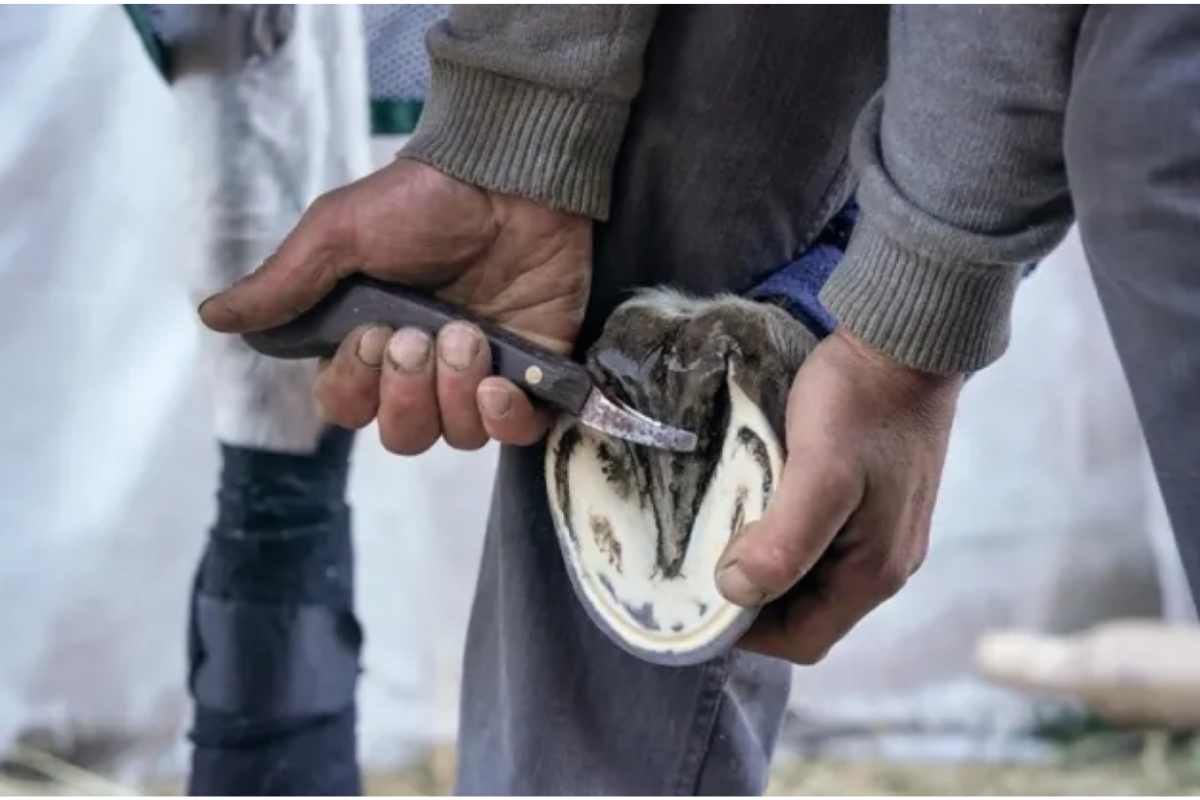
Imagine spending hours meticulously trimming hooves, only to struggle with discomfort or inadequate precision because of the wrong tool. Every farrier understands that the quality of their hoof knife significantly impacts their efficiency, safety, and overall comfort. At Equine Care, we believe selecting the right tool is critical for both professional excellence and animal welfare. This article addresses the practical challenge of choosing the ideal hoof knife. By highlighting essential factors prioritized by professional farriers, you’ll gain valuable insights to choose a tool that optimizes your trimming experience, ultimately benefiting both you and the horses under your care.
Blade Sharpness and Retention
Sharpness is crucial for precise and safe hoof trimming. Professional farriers prefer blades that retain their edge over extended use, minimizing sharpening frequency and reducing risks of slips or accidental injuries.
Ergonomic Handle Design
Comfortable handle designs are essential to reduce fatigue during repetitive trimming tasks. Handles featuring ergonomic curves, finger grooves, and non-slip textures enhance control and safety, allowing farriers to maintain consistent precision and comfort.
Safety Considerations
A safe hoof knife includes features such as rounded blade tips to prevent accidental injury. Additionally, knives with robust, full-tang construction ensure durability and reduce breakage risks during rigorous use, protecting both farriers and horses.
Material and Durability
High-quality blades typically use high-carbon or stainless steel. High-carbon blades offer superior sharpness and durability but require diligent maintenance to avoid rust. Stainless steel blades resist corrosion better but might need more frequent sharpening. Durable materials ensure reliable performance even in challenging environments.
Blade Design and Versatility
Different blade designs cater to varying trimming needs. Standard hoof knives with curved blades sharpened on one side suit routine trimming tasks. Loop knives are ideal for detailed work around the frog and sole, useful in treating hoof conditions. Wide blades efficiently remove excess material, whereas narrow blades are optimal for precision tasks.
Portability and Storage Convenience
Lightweight and compact designs with secure storage options, such as sheaths or foldable models, facilitate easy transport and safe storage in aprons or toolboxes, accommodating the mobile nature of farrier work.
User Reviews and Recommendations
Farriers heavily rely on peer reviews and trusted brand reputations when selecting hoof knives. Proven reliability and strong endorsements from fellow professionals significantly influence purchasing decisions.
How to Choose the Right Hoof Knife
Frequent users should invest in high-quality, durable knives suited to their typical hoof types—robust blades for large, hard hooves and precision blades for smaller, detailed work. Prioritize handle comfort based on hand size and trimming style, balancing affordability with reputable brands recognized for durability and performance.
Conclusion
Choosing the right hoof knife dramatically enhances the trimming experience. At Equine Care, we recommend prioritizing sharpness, ergonomics, safety, and durability to achieve consistent, high-quality hoof care.
Easy Maintenance and Sharpening
Maintaining your hoof knife ensures sustained performance and safety. Cleaning and drying your knife after each use, regular sharpening with a diamond hone or sharpening stone, and proper storage in a protective sheath are essential maintenance practices.
Call to Action
Explore Equine Care’s expertly crafted hoof knives designed with farrier comfort and effectiveness in mind. Join our community by sharing your preferences and experiences today.
FAQs
What type of hoof knife handle prevents hand fatigue?
Ergonomic, non-slip grips made from materials like rubber or wood.
How often should hoof knife blades be sharpened?
Ideally, after every few uses to maintain optimal sharpness.
Is it better to choose a single-purpose or multi-purpose hoof knife?
Multi-purpose knives offer versatility, while single-purpose knives provide specialized precision.
Can ergonomic hoof knives prevent injuries in farriers?
Yes, ergonomic designs significantly reduce repetitive strain injuries.