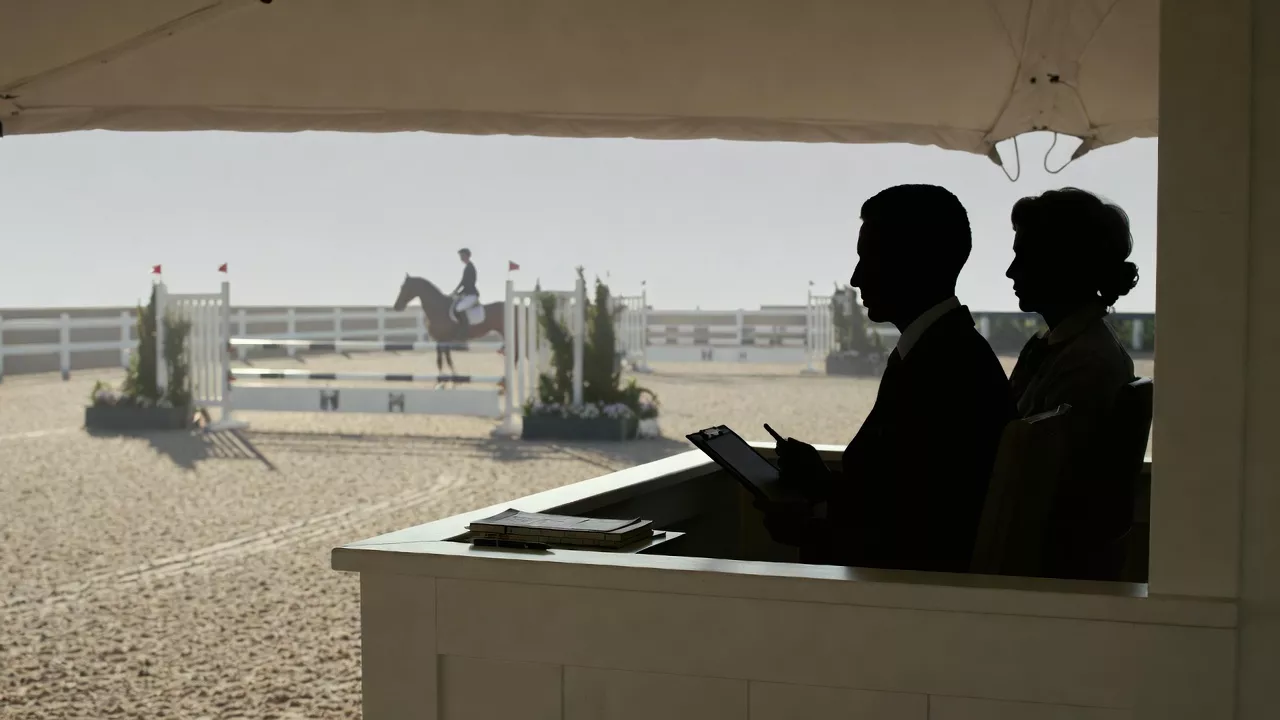
The United States Equestrian Federation (USEF) has officially announced that it will suspend new Hunter and Hunter/Jumping Seat Equitation judge applications for the 2026 competition year, a move that has drawn widespread attention across the U.S. hunter-jumper community.
The temporary suspension, which runs from December 1, 2025, through November 30, 2026, applies to all new applicants seeking either r (recorded) or R (registered) judge licenses in these disciplines. USEF describes the decision as a strategic pause intended to strengthen judge education, consistency, and long-term credibility within hunter and equitation sport.
USEF Suspends 2026: Key Overview
The USEF judge application suspension affects only specific judging categories and is limited in scope.
What Is USEF Suspends
- New Hunter judge applications
- New Hunter/Jumping Seat Equitation judge applications
- Both r and R license levels
What Is Not Affected
- Currently licensed USEF judges
- Applicants already in progress before December 1, 2025
- Jumper judges
- Hunter Breeding judges
- Course designers and other USEF licensed officials
By narrowing the moratorium to hunter and equitation judging, USEF has made it clear that the issue being addressed is discipline-specific rather than federation-wide.
Why USEF Suspended Hunter Judge Applications for 2026
The decision to suspend hunter judge applications follows an in-depth review conducted by a specialized task force working in collaboration with the United States Hunter Jumper Association (USHJA).
Core Reasons Behind the USEF Suspends
1. Need for Greater Judging Consistency
Hunter and equitation classes rely heavily on subjective evaluation. Feedback from riders, trainers, and show managers has highlighted inconsistencies in judging outcomes across competitions.
2. Modernizing Judge Education
USEF and USHJA identified the need to update judge education programs to better reflect modern course design, evolving equitation standards, and current competitive expectations.
3. Strengthening Long-Term Standards
Rather than continuing to add new judges under an outdated system, USEF opted to pause and rebuild foundational elements of the licensing process.
This approach reflects a broader emphasis on quality over quantity in officiating.
Who Is Most Affected by the USEF Suspends
The suspension primarily impacts aspiring hunter and equitation judges planning to enter the USEF licensing pathway in 2026.
For those individuals, the moratorium means delaying their application timeline. However, USEF has emphasized that the pause is temporary and intended to improve opportunities and clarity for future applicants once the updated system is launched.
Applicants who began the process before the December 1, 2025 deadline may still complete their requirements within the permitted timeframe, ensuring fairness for those already committed.
What Happens During the 2026 USEF Suspends Period
Although USEF is not accepting new hunter judge applications, education and development activities will continue throughout 2026.
Ongoing Opportunities During the USEF Suspends
- USHJA judge applicant clinics
- Promotion and advancement clinics
- Continuing education for licensed judges
- Maintenance programs and professional development
This ensures that the existing judging pool remains active, educated, and aligned with best practices while reforms are underway.
USEF Suspends Impact on Hunter and Equitation Competitions
From a competition standpoint, USEF has stated that the suspension will not disrupt the 2026 show calendar. The current pool of licensed judges is considered sufficient to meet officiating demands nationwide.
For competitors and trainers, the long-term impact may be positive:
- More consistent judging standards
- Clearer expectations in hunter and equitation rings
- Increased confidence in officiating decisions
In disciplines where judging plays a decisive role in results, even incremental improvements can significantly enhance trust in the sport.
Industry Reaction to USEF Suspend Decision
Reaction to the announcement has been mixed but largely constructive.
- Aspiring judges have expressed disappointment about delayed applications but acknowledge the potential benefits of improved training.
- Trainers and riders have generally welcomed the move as a necessary step toward better consistency.
- Show organizers see the moratorium as an investment in the long-term professionalism of officiating.
Overall, the consensus is that while the pause creates short-term inconvenience, it may deliver meaningful long-term gains.
What Comes After the 2026 Judge Application Suspension
USEF plans to reopen Hunter and Hunter/Jumping Seat Equitation judge applications after November 30, 2026, once the updated education and licensing framework is finalized.
While details have not yet been released, future applicants can expect:
- Clearer educational pathways
- Updated evaluation criteria
- Stronger alignment between clinics and real-world judging
- Greater emphasis on accountability and consistency
Aspiring judges are encouraged to use 2026 as a preparation year by attending clinics, observing competitions, and studying evolving hunter and equitation standards.
Why This Decision Matters for the Future of the Sport
The announcement that USEF suspends hunter judge applications for 2026 represents a rare but important reset. Rather than expanding the judging pool without reform, USEF has chosen to prioritize long-term credibility and fairness.
In hunter and equitation disciplines—where judging directly influences careers, rankings, and championships—the quality of officiating is foundational. This moratorium signals that USEF recognizes that responsibility and is willing to take decisive action to protect the integrity of the sport.
As the 2026 season unfolds, the equestrian community will be watching closely to see how these changes shape the next generation of hunter and equitation judges in the United States.