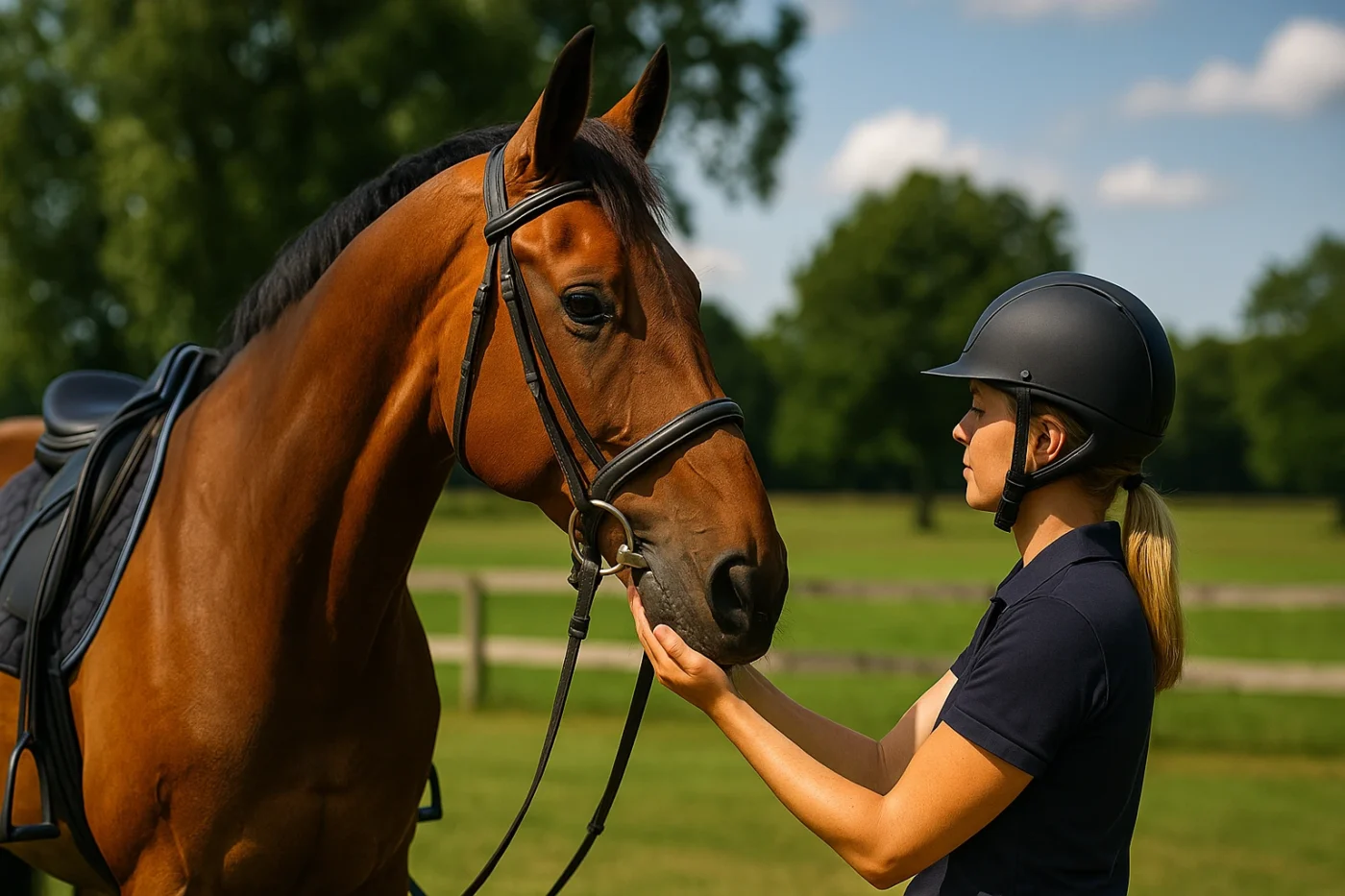
The United States Equestrian Federation (USEF) has developed a new set of Equine Welfare Guidelines, which aim to promote the best standards of horse care and welfare throughout the sport.
The rules, created under the guidance of USEF Chief of Sport David O’Connor, emphasize the importance of horse-friendly methods and educated decision-making. The framework offers horse owners, riders, and coaches practical examples and a resource for sustaining equine health during training, competition, and daily management.
Basis and Inspiration
The approach is based on methods utilized by international organizations such as the German Equestrian Federation, with a focus on finding early warning signals, supporting preventive care, and safeguarding horses’ long-term health.
Dr. Tracy Turner, the president of the American Association of Equine Practitioners, stated:
“With consistent education and proper implementation, these guidelines can make a meaningful difference in safeguarding horse welfare at every level of equestrian sport.”
Key Features:
Practical Checklists: Simple, actionable steps for tracking equine health and welfare.
Educational Resources: Helps trainers, coaches, and owners identify warning signs and solve welfare concerns.
Implementation Timeline: Starting October 1, 2025, riders and coaches will have access to new teaching modules and practical materials.
USEF’s Commitment
The federation highlighted that all welfare reports will be thoroughly investigated, and infractions may result in sanctions. The goal is to keep horse care at the heart of equestrian sports, fostering a culture of responsibility and compassion.
Visit the USEF website for more information and full guidelines.
📌 Source: U.S. Equestrian Federation (USEF)