The U.S. Army reinstates ceremonial horse units in a significant reversal of an earlier plan to shut them down, signaling a renewed commitment to military heritage, public engagement, and historic traditions that predate modern mechanized warfare. The decision, announced in January 2026, restores mounted ceremonial programs at key Army installations and preserves an iconic link between America’s armed forces and the nation’s equestrian past.
The move follows months of debate inside and outside the military after the Army initially proposed eliminating most of its horse-mounted ceremonial units as part of cost-cutting measures. While those plans were projected to save a relatively modest amount of money, the backlash from veterans, historians, lawmakers, and local communities underscored the symbolic importance of the horses that have long represented the Army’s origins as a mounted fighting force.
Now, with the reversal confirmed, ceremonial horse units at Fort Riley, Kansas, and Fort Cavazos, Texas (formerly Fort Hood) will remain active, joining long-standing equine programs at Arlington National Cemetery and Joint Base San Antonio. Together, these units will continue to serve as living symbols of U.S. Army history, appearing at national ceremonies, funerals, parades, and public outreach events across the country.
A Reversal After Months of Controversy
When the Army first announced plans in mid-2025 to phase out most of its ceremonial horse programs, the justification centered on efficiency and modernization. Army leadership emphasized the need to prioritize readiness, advanced training, and emerging technologies in an era defined by cyber warfare, drones, and space operations.
Under the original proposal, several mounted units would have been disbanded, their horses rehomed or transferred, and soldiers reassigned. The savings, estimated at roughly $2 million annually, were intended to be redirected toward operational needs.
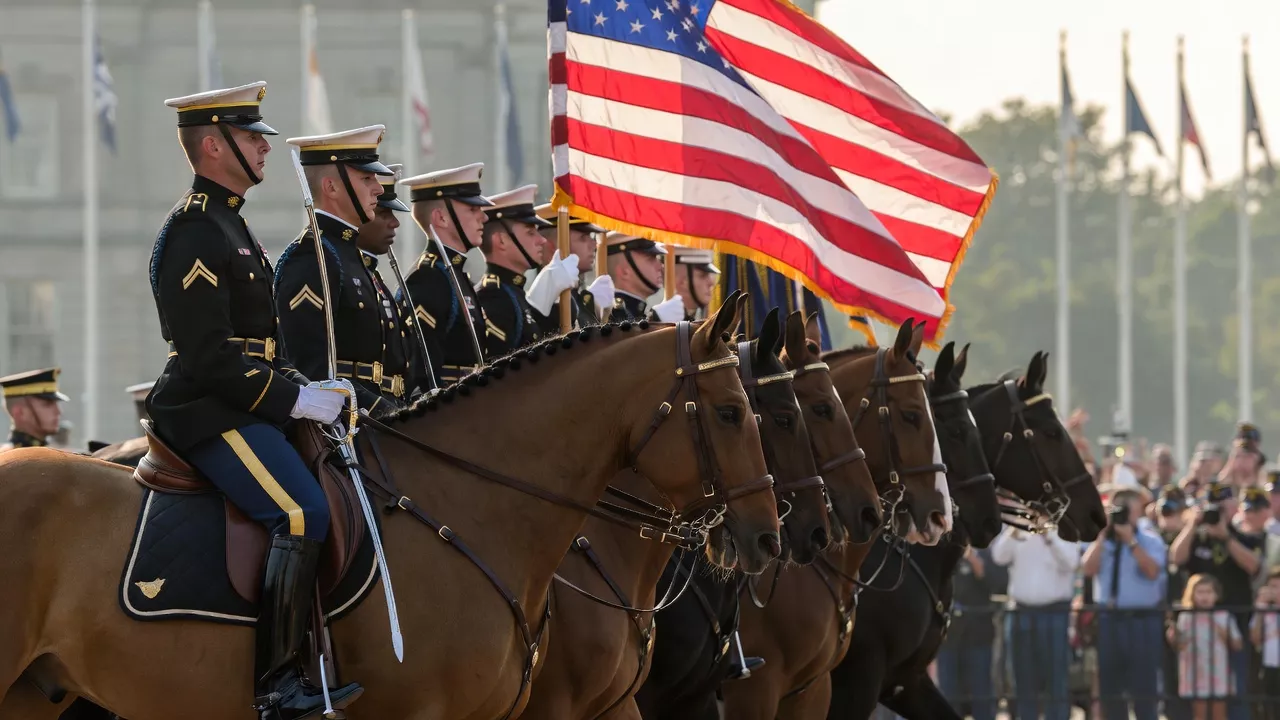
However, critics quickly argued that the financial savings were marginal compared with the cultural cost. For many Americans, the sight of Army soldiers on horseback—sabers raised, guidons flying—represents continuity with a military tradition stretching back to the Revolutionary War.
The public response, combined with internal reassessment, ultimately led the Army to reconsider. Officials concluded that the ceremonial horse units play a unique role that cannot be replicated by modern equipment or digital engagement alone.
Which Units Are Being Preserved
The reinstatement affects some of the most recognizable mounted units in the Army:
- 1st Cavalry Division Horse Cavalry Detachment at Fort Cavazos, Texas, one of the most famous ceremonial horse units in the U.S. military.
- Fort Riley Mounted Color Guard, a unit deeply embedded in community outreach and public demonstrations in the Midwest.
- The U.S. Army Caisson Platoon, which conducts horse-drawn caisson services for military funerals at Arlington National Cemetery.
- Mounted ceremonial elements at Joint Base San Antonio, which were never slated for closure but were reaffirmed under the new policy.
Each of these units typically maintains around 20 to 25 horses, along with trained soldiers responsible for riding, care, training, and public presentation. The animals are selected not only for physical soundness but also for temperament, as they must remain calm in crowded, noisy ceremonial environments.
Why Horses Still Matter in a Modern Army
At first glance, ceremonial horse units may seem anachronistic in a military defined by armored vehicles and advanced aircraft. Yet Army officials say the horses serve purposes far beyond spectacle.
Mounted units act as powerful tools of public engagement, particularly in communities with limited exposure to active-duty soldiers. Parades, school visits, and civic events featuring horses often draw large crowds and create opportunities for conversation about military service.
They also preserve institutional memory. Before tanks and trucks, the U.S. Army relied on cavalry units for reconnaissance, communication, and combat. Ceremonial horse units keep those traditions visible and tangible, reinforcing a sense of continuity across generations of soldiers.
Perhaps most importantly, horses provide a humanizing connection. In an age when much of warfare feels remote and technological, the presence of soldiers caring for and riding horses offers a relatable image of service, discipline, and partnership between humans and animals.
Cost Versus Cultural Value
One of the central arguments in the debate was whether maintaining ceremonial horse units is an efficient use of taxpayer funds. While critics of the original cuts acknowledged the Army’s need to modernize, many pointed out that the cost of maintaining these units represents a fraction of the overall defense budget.
Supporters also emphasized that the horses are not merely “ornamental.” The units require skilled horsemanship, logistics planning, veterinary care, and disciplined training—skills that reflect professionalism rather than pageantry alone.
By reinstating the programs, the Army appears to have accepted that cultural value and public trust are legitimate considerations alongside fiscal responsibility.
Training, Welfare, and Standards
The reinstatement also brings renewed focus on animal welfare and training standards. In recent years, the Army has invested in improved veterinary oversight, better stabling facilities, and more structured training schedules for ceremonial horses.
Soldiers assigned to mounted units undergo specialized instruction in horsemanship, stable management, and ceremonial drill. Many come from backgrounds with little or no prior horse experience, making the training both demanding and unique within the Army.
Officials stress that maintaining high welfare standards is essential not only for ethical reasons but also for public perception. Ceremonial horse units are among the most visible faces of the Army, and their condition reflects directly on the institution as a whole.
Community and Veteran Reactions
Reaction to the reinstatement has been overwhelmingly positive in communities surrounding the affected bases. Local leaders in Kansas and Texas welcomed the decision, noting that mounted units frequently participate in regional events and contribute to local identity.
Veterans’ groups also praised the move, describing it as a reaffirmation of respect for military history. Many former cavalry soldiers expressed concern last year that disbanding the units would sever a living link to the Army’s mounted past.
For families attending military funerals at Arlington National Cemetery, the continuation of the caisson services carries deep emotional weight. The slow, solemn rhythm of horse-drawn caissons has long been one of the most recognizable elements of American military honors.
A Broader Message About Tradition
Beyond the immediate impact on horses and soldiers, the decision sends a broader message about how the Army views its own identity. By choosing to preserve ceremonial horse units, the service acknowledges that tradition and symbolism remain relevant—even as it prepares for future conflicts.
The reinstatement does not signal a retreat from modernization. Instead, it reflects an understanding that heritage and innovation can coexist. Advanced weapons systems and digital capabilities may define the battlefield, but ceremonies, rituals, and public symbols continue to define how the Army is seen and understood at home.
Looking Ahead
With the policy settled, attention now turns to implementation. Units will continue operating under existing structures, with ongoing evaluations to ensure costs remain controlled and standards upheld.
Army leaders have indicated that ceremonial programs will be periodically reviewed, but the tone has shifted from elimination to preservation. The focus, they say, is on maximizing the educational and outreach value of the units while maintaining fiscal discipline.
For now, the reinstatement ensures that the image of U.S. soldiers on horseback—sabers gleaming, flags unfurled—will remain part of America’s military landscape.
Conclusion
As the U.S. Army reinstates ceremonial horse units, it closes a chapter of uncertainty and reaffirms the enduring power of tradition in one of the world’s most technologically advanced militaries. The decision highlights a careful balance between modernization and heritage, reminding the public that even in an era of rapid change, some symbols remain worth preserving.