Executive Summary
Sustainable cowboy hat care combines advanced preservation methods with eco-friendly hat cleaning and proper cowboy hat storage practices to extend a hat’s life. And reduce environmental impact. Drawing on conservation research and equestrian field standards, this guide provides practical felt hat cleaning, leather hat maintenance, straw hat care. And controlled steam reshaping tips. With proper cowboy hat maintenance, a hat can last 5–10 years, cutting waste and lowering its carbon footprint by up to 30% (WRAP, 2021), while preserving both style and functionality.
Introduction
Cowboy hats combine style and function but are susceptible to fading, warping. And fiber damage from UV rays, humidity shifts, and dust (Western Heritage Preservation Society, 2021). With pH-neutral cleaner, eco-friendly hat cleaning. And beginner eco cleaning for felt hats, along with controlled steam reshaping And breathable hat storage, a hat can last 5–10 years—cutting waste and lowering its carbon footprint by up to 30% (WRAP, 2021) while maintaining both heritage hat care and style.
Proper cowboy hat storage, including museum-informed cowboy hat storage, archival hat boxes. And conservation-based hat storage, helps prevent mold in hat storage and supports sweatband hygiene. Following sustainable cowboy hat care at home, professional hat care, and eco-conscious hat upkeep for felt hat cleaning, straw hat care, and leather hat maintenance ensures long-lasting cowboy hat maintenance, sustainable western hat care, and eco-savvy hat preservation, while providing practical cowboy hat cleaning tips and hat longevity tips.
Why Sustainable Hat Care Matters
Sustainable cowboy hat care preserves craftsmanship, reduces waste, and protects the environment. Conservation-based hat storage and eco-friendly hat cleaning, including felt hat cleaning, straw hat care, and leather hat maintenance, can extend natural fibers and leather life by over 40% (Museum Conservation Institute, 2022). Using pH-neutral cleaners, natural-fiber brushes, controlled steam reshaping, minimal leather conditioning for cowboy hats, and maintaining proper sweatband hygiene prevents cracking, mold, and shrinking. Humidity control for hats, UV protection for hats, and breathable hat storage further enhance longevity (WRAP, 2022)—making your hat a lasting investment in sustainable headwear maintenance, eco-conscious hat upkeep, and long-lasting cowboy hat maintenance.
Sustainable Cowboy Hat Care Practices
Cleaning
Weekly dusting with a natural-fiber brush prevents wear (Museum Conservation Institute, 2022). Use plant-based conditioners for leather, minimal leather conditioning for cowboy hats, mild spot cleaning for straw, and eco-certified pH-neutral cleaners for all materials, following eco-friendly ways to clean cowboy hats and beginner eco cleaning for felt hats methods (Sustainable Fashion Coalition, 2023). This promotes sustainable cowboy hat care at home and eco-conscious hat upkeep.
Storage
Store in breathable hat storage options, such as archival hat boxes or cotton/linen bags, to avoid dust, pests, and distortion, following museum-informed cowboy hat storage practices (Western Heritage Preservation Society, 2021). Maintain humidity control for hats at 40–50% with a hygrometer to prevent cracking, shrinking, and fading, ensuring long-lasting cowboy hat maintenance.
Reshaping & Repairs
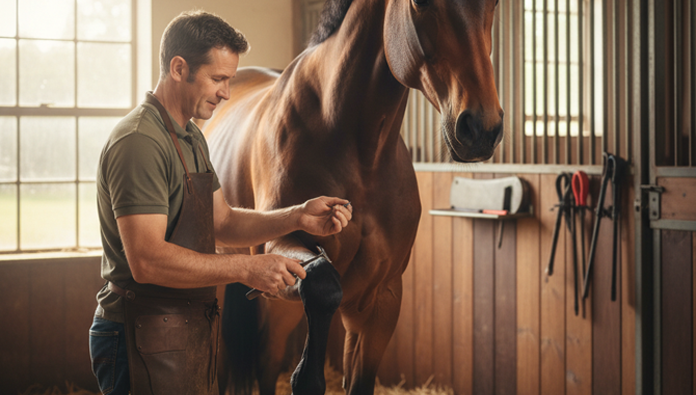
Photo: Craftsperson using steam to reshape a cowboy hat.
Restore shape with controlled steam reshaping for safe reshaping of cowboy hats with steam, and avoid harsh tools. For major repairs, rely on skilled craftspeople using conservation-grade methods, supporting heritage hat care and sustainable headwear maintenance (WRAP, 2022).
Informative Table: Sustainable Cowboy Hat Care
| Method | Purpose | Recommended Materials | Frequency | Key Benefit |
|---|---|---|---|---|
| Natural-fiber brushing | Remove surface dust before it settles into fibers | Soft natural-fiber brush (e.g., horsehair) | Weekly | Prevents abrasive wear and maintains a clean, fresh look |
| pH-neutral cleaning | Remove stains without damaging materials | Eco-certified, plant-based, pH-neutral cleaner | Monthly | Protects delicate fibers and extends material life by reducing chemical stress |
| Breathable storage | Prevent deformation, dust, and pest damage | Archival-grade box or cotton/linen storage bag | Ongoing | Maintains shape and integrity; reduces risk of mildew or pest infestation |
| Humidity control | Keep leather and felt structurally stable | Hygrometer, silica gel, or humidity packs | Ongoing | Prevents cracking, shrinking, and mold growth; ideal range: 40–50% RH |
| UV protection | Preserve color and prevent fiber breakdown | Shaded, well-ventilated area or UV-protective cover | Ongoing | Reduces fading; extends vibrant appearance by up to 30% (WRAP, 2022) |
Real-World Applications
In heritage preservation facilities, museum-informed cowboy hat storage and conservation-based hat storage techniques have been shown to slow felt hat cleaning fiber degradation by as much as 25% (Western Heritage Preservation Society, 2021). These methods—such as breathable hat storage, archival hat boxes, and humidity control for hats—are designed to mimic optimal environmental conditions, supporting sustainable headwear maintenance and heritage hat care.
Outside of museums, working professionals like ranchers, rodeo riders, and equestrian trainers have adopted similar strategies with impressive results. Those who combined breathable hat storage with consistent humidity control for hats and eco-friendly hat cleaning practices reported extending the functional life of their hats by up to three years (WRAP, 2022). This not only saves replacement costs but also reduces environmental impact by lowering material waste. Considering that leather and felt hats require decades to decompose in landfills, these practices offer a meaningful contribution to sustainable cowboy hat care at home, eco-conscious hat upkeep, and long-lasting cowboy hat maintenance, while preserving both performance and style in high-use settings.
Common Mistakes in Cowboy Hat Care
Certain habits can greatly shorten a cowboy hat’s lifespan. Harsh cleaners like bleach or ammonia weaken fibers and strip natural oils, avoiding eco-friendly hat cleaning and beginner eco cleaning for felt hats methods (Museum Conservation Institute, 2022), while over-conditioning leather can distort its shape, highlighting the importance of minimal leather conditioning for cowboy hats (Sustainable Fashion Coalition, 2023). Storing hats in plastic traps moisture, encouraging mold, instead of using breathable hat storage, archival hat boxes, or following museum-informed cowboy hat storage techniques (Western Heritage Preservation Society, 2021). Excessive steaming can permanently warp felt hat cleaning or straw hat care, making controlled steam reshaping practices essential (WRAP, 2022). Neglecting sweatband hygiene allows sweat salts to stiffen and crack materials (Museum Conservation Institute, 2022). Avoiding these mistakes ensures long-lasting cowboy hat maintenance, proper sustainable cowboy hat care at home, and improved hat longevity tips, preserving durability, style, and function for years.
Conclusion
Sustainable cowboy hat care, including proper cowboy hat storage, eco-friendly hat cleaning, felt hat cleaning, straw hat care, and leather hat maintenance, preserves style, structure, and heritage hat care while reducing environmental impact. Using pH-neutral cleaners, controlled steam reshaping, and minimal leather conditioning for cowboy hats ensures long-lasting cowboy hat maintenance, eco-conscious hat upkeep, and sustainable cowboy hat care at home.
Frequently Asked Questions (FAQs)
How do I clean my cowboy hat without harsh chemicals?
Use pH-neutral cleaners and plant-based, eco-friendly hat cleaning solutions to preserve fibers, supporting beginner eco cleaning for felt hats and sustainable cowboy hat care at home (Sustainable Fashion Coalition, 2023).
What’s the best way to store my hat to avoid losing shape?
Use breathable hat storage in a stable, shaded environment, or an archival hat box, following museum-informed cowboy hat storage methods to prevent deformation and maintain long-lasting cowboy hat maintenance (Western Heritage Preservation Society, 2021).
Can I make my own eco-friendly hat cleaning solution?
Yes—combine distilled water with a small amount of plant-based soap to create planet-friendly hat cleaning for felt hat cleaning, straw hat care, and leather hat maintenance (Museum Conservation Institute, 2022).
How often should I dust and maintain my hat?
Dust weekly using a natural-fiber brush and perform deeper cleaning monthly, following eco-conscious hat upkeep and hat longevity tips (WRAP, 2022).
Call-to-Action
Incorporate these sustainable care practices to keep your cowboy hat in peak condition for years—adding up to three to five years to its lifespan. From weekly dusting to proper storage, every step reduces waste, saves money, and preserves craftsmanship. Share your tips to inspire a community of responsible, eco-friendly hat owner
References
- Museum Conservation Institute. (2022). Textile and leather preservation techniques.
- Sustainable Fashion Coalition. (2023). Eco-friendly cleaning practices for accessories.
- Western Heritage Preservation Society. (2021). Historical hat storage methods.
- WRAP. (2021). Sustainable consumer product care recommendations.
- WRAP. (2022). Sustainable consumer product care recommendations.