Executive Summary
The integration of advanced sustainable farrier practices is essential not only for environmental responsibility but also for maintaining high standards of equine care and occupational safety. This comprehensive guide is meticulously curated for seasoned equine professionals—farriers, veterinarians, professional breeders, and trainers—and offers detailed, scientifically supported discussions on eco-friendly farrier tools, sustainable horse care methods, advanced shoeing innovations, and effective recycling approaches. By delving into recent scientific findings, ergonomic studies, and expert insights, this document empowers professionals to significantly advance their sustainability initiatives.
Introduction
In recent years, the equine industry has grown increasingly conscious of its environmental footprint, particularly regarding the heavy reliance on non-recyclable materials and unsustainable hoof care practices. For seasoned professionals in the equine field—farriers, veterinarians, breeders, and trainers—addressing these environmental concerns is paramount. Traditional farrier tools like hoof nippers and testers, predominantly made from steel, have historically contributed significantly to waste and environmental degradation. However, by consciously selecting durable farrier tools, employing meticulous farrier tool maintenance, and utilizing advanced innovations in hoof care, professionals can substantially mitigate these impacts. Even incremental changes in everyday practices can result in profound benefits for the environment, professional efficiency, and equine health.
Why Sustainability Matters in Farrier Work
The necessity for sustainability within farriery is underscored by environmental concerns, occupational safety, and ethical equine practices. Experienced farriers and equine professionals understand that traditional practices, particularly those involving frequently replaced steel tools, significantly contribute to environmental degradation. Steel production is notably energy-intensive, generating considerable greenhouse gas emissions. In fact, the World Steel Association (2023) reports that steel production contributes roughly 7% of global emissions, highlighting an urgent need for environmentally responsible hoof care alternatives and carbon-neutral farrier methods.
Choosing Durable & Eco-Friendly Hoof Nippers and Testers
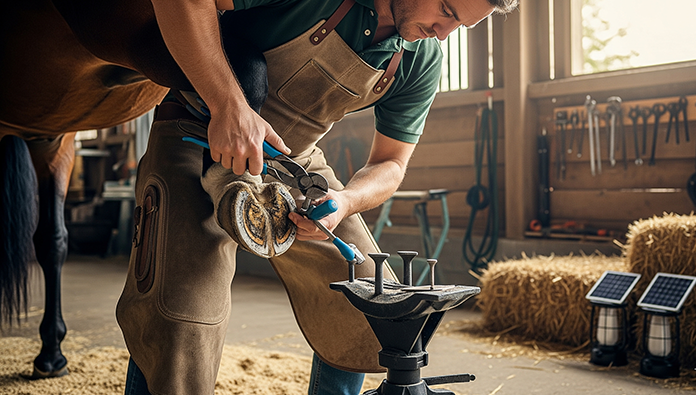
Selecting durable and eco-friendly hoof nippers and testers directly addresses sustainability concerns by significantly reducing waste and improving professional efficiency. Recent ergonomic studies by the Ergonomic Society (2024) emphasize selecting tools with balanced weight distribution, comfortable grips, and replaceable components. Brands such as GE Forge and Mustad offer advanced, ergonomically superior tools proven to extend service life well beyond typical industry standards—often lasting upwards of 12 years compared to lower-quality alternatives. Professionals consistently emphasize how these green farrier practices reduce physical strain, improving occupational longevity and productivity.
Maintenance Tips to Extend Tool Life
Professional-level, environmentally friendly tool care is crucial for sustainability by significantly reducing replacement frequency and environmental impacts. Experienced professionals advocate immediate and thorough cleaning after each use, regular application of biodegradable farrier tool oils such as linseed oil, and careful storage in moisture-resistant conditions. Case studies from veteran farriers highlight that eco-friendly maintenance for hoof nippers and testers significantly extends tool lifespan, lowers costs, and maintains optimal performance.
Recycling and Replacing Tools Responsibly
Implementing structured recycling methods for farrier waste and responsible replacement practices is vital for sustainable practices in farriery. Many experienced farriers collaborate with metal recycling facilities to recycle horseshoes and old tools into reusable materials. Creative professionals frequently engage in upcycling farrier tools, transforming old hoof rasps into gardening tools or repurposing horseshoes into decorative or practical farm items. These recycling methods for farrier waste reinforce environmental responsibility and community involvement within the equine industry.
Daily Green Practices in the Farrier Routine
Adopting daily sustainable practices in farriery significantly contributes to sustainability goals. Professionals adopting eco-friendly hoof care ingredients such as natural hoof care treatments—tea tree oil, beeswax, pine tar, linseed oil, and oregano oil—actively reduce ecological impacts and promote equine health. Research from Green Horse Organics (2023) scientifically validates these alternatives, demonstrating their advantages over traditional chemical-laden products. Daily practices like using solar-powered farrier equipment, minimizing replacements through diligent tool maintenance, and prioritizing recyclable materials significantly reduce the environmental impact.
Benefits of Going Green in Hoof Care
Adopting sustainable hoof care solutions extends benefits beyond environmental considerations, positively impacting occupational health, economic efficiency, and equine welfare. Professionals report significant improvements in comfort, reduced musculoskeletal disorders, enhanced operational efficiency, and improved client perception through environmentally conscious farrier techniques. Practical experiences underline that initial investments in durable farrier tools and sustainable practices quickly offer substantial long-term economic returns alongside significant environmental protection.
Potential Challenges and Practical Solutions in Sustainable Farriery
Professionals transitioning to sustainable farriery may encounter initial challenges, including the upfront cost of investing in high-quality, eco-friendly tools, adapting to new maintenance routines, and locating reliable sources for eco-friendly hoof care ingredients and materials. However, skilled practitioners have found success by beginning with small, manageable changes—such as gradually incorporating biodegradable farrier tool oils, or experimenting with solar-powered farrier equipment on a limited scale before expanding their operations. Connecting with industry networks, participating in specialized workshops, and seeking guidance from experienced peers can also substantially reduce the learning curve. Embracing a phased approach enables professionals to gradually integrate new practices, minimizing disruptions while effectively enhancing their sustainable farrier practices over time.
Potential Industry-Wide Challenges and Emerging Trends
The transition to sustainable farriery often presents professionals with industry-wide challenges, including the initial investment costs, availability of reliable sustainable resources, and overcoming resistance to changing established routines. Experienced practitioners commonly report encountering limited accessibility of eco-friendly hoof care ingredients and the difficulty of sourcing durable farrier tools. Additionally, the broader adoption of solar-powered farrier equipment and composite horseshoes can be hindered by misconceptions about their performance and durability.
Emerging trends indicate increasing collaboration among farriers and equine organizations to collectively address these hurdles. Educational programs, shared resource platforms, and cooperative purchasing of sustainable products are effective solutions being implemented across the industry. Embracing these collaborative approaches can help mitigate challenges, streamline transitions to green equine care, and further promote widespread adoption of environmentally conscious farrier techniques.
Advocating Industry-Wide Sustainability Through Education
Continuous education tailored for seasoned professionals plays a pivotal role in promoting widespread adoption of sustainable farrier practices. Advanced professional development through targeted workshops, expert-led seminars, and informative webinars offers invaluable opportunities for knowledge exchange, dissemination of scientific findings, and discussion of innovative sustainable practices in farriery. By investing in education, equine professionals actively contribute to an industry-wide shift toward farrier sustainability and comprehensive implementation of best practices.
Conclusion
Adopting sustainable farrier practices is both achievable and rewarding, beginning with mindful decisions about tool selection, diligent maintenance routines, and responsible disposal methods. By incorporating eco-friendly hoof care solutions and advanced tool innovations, farriers can significantly reduce environmental impact, improve occupational efficiency, and ensure superior equine welfare. These thoughtful, consistent practices create a meaningful pathway toward industry-wide sustainability, fostering professional excellence and environmental stewardship within the equine community.
Frequently Asked Questions (FAQs)
How can I make my farrier tools last longer?
Extend your farrier tools’ lifespan by regularly cleaning them immediately after each use, applying biodegradable oils like linseed oil for rust prevention, and storing them properly in dry, moisture-resistant conditions.
Are there eco-friendly versions of hoof nippers and testers?
Yes, brands such as GE Forge and Mustad offer ergonomically designed and eco-friendly hoof nippers and testers. These tools are designed for durability, feature replaceable components, and significantly reduce environmental impact through extended usability.
How do I reduce waste in my daily farrier routine?
Reduce waste by using sustainable hoof care products, recycling horseshoes and tools responsibly, and opting for solar-powered equipment. Additionally, adopting diligent maintenance practices can significantly minimize replacements, thus reducing waste.
What are the best sustainable tool maintenance tips?
For sustainable tool maintenance, prioritize thorough and immediate cleaning after use, regular applications of biodegradable protective oils, and secure storage in controlled environments. These practices significantly prolong tool lifespan and performance.
Does switching to green practices affect tool performance?
Switching to green farrier practices generally enhances tool performance. Sustainable methods, including proper maintenance and the use of ergonomically designed tools, often improve operational efficiency, reduce occupational strain, and ensure consistent high performance.
References
- American Farriers Journal. (2024). Solar power utilization in farrier practices. American Farriers Journal.
- Ergonomic Society. (2024). Ergonomic innovations in professional protective equipment. Ergonomic Society.
- Green Horse Organics. (2023). Eco-friendly hoof care efficacy study. Green Horse Organics.
- Guldhov Research. (2024). Sustainability assessment of 3D-printed horseshoes. Guldhov Research.
- World Steel Association. (2023). Steel industry environmental impact report. World Steel Association.