Introduction
A recent survey among horse owners has revealed a significant awareness gap regarding vaccination against strangles, a highly contagious equine disease. Experts warn that this lack of knowledge could increase the risk of outbreaks, putting horse health and equestrian communities at serious risk.
What is Strangles?
Strangles is a bacterial infection caused by Streptococcus equi, affecting a horse’s respiratory system. It spreads rapidly through direct contact, shared equipment, or contaminated environments. Symptoms include:
- Fever
- Nasal discharge
- Swollen lymph nodes
- Difficulty breathing
Without proper management, outbreaks can spread quickly across stables.
Survey Findings
The survey, conducted among new and experienced horse owners, highlighted several concerns:
- Many owners were unaware that a vaccine for strangles exists
- Some believed vaccination was unnecessary unless an outbreak occurred
- A large number relied only on general hygiene practices
- Misconceptions about vaccine safety were common
These findings suggest a need for better education within the equine community.
Why Vaccination Matters
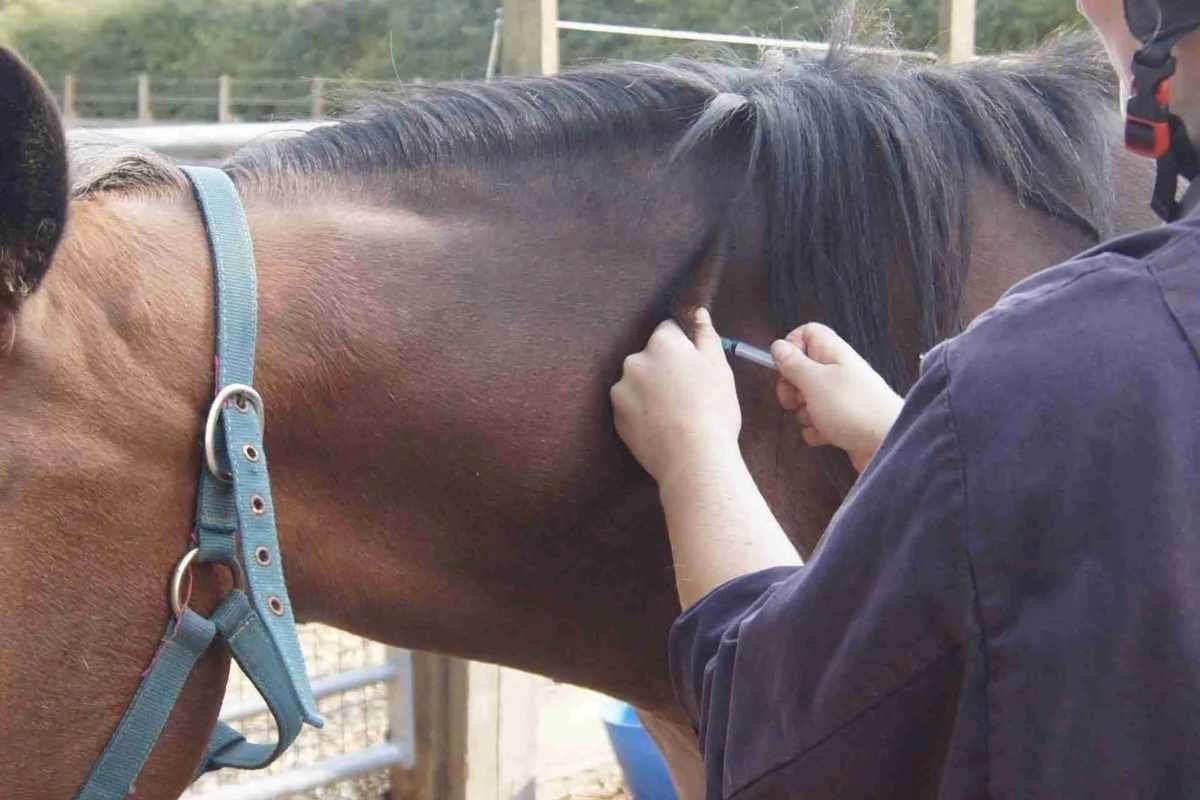
Vaccination plays a crucial role in controlling the spread of infectious diseases like strangles. While no vaccine offers 100% protection, it can:
- Reduce severity of symptoms
- Lower transmission risk
- Help protect entire herds
Veterinarians recommend including strangles vaccination as part of a broader equine health plan, especially in high-risk environments like competitions and shared stables.
Expert Opinions
Equine health experts emphasize that awareness is the first step toward prevention. They recommend:
- Consulting veterinarians for vaccination schedules
- Isolating new or sick horses
- Maintaining strict hygiene practices
- Educating stable staff and owners
Improved communication between vets and horse owners can significantly reduce disease outbreaks.
Conclusion
The survey clearly highlights a critical awareness gap that needs immediate attention. Increasing education about strangles vaccination can help protect horses, reduce outbreaks, and improve overall equine welfare.
Horse owners are encouraged to stay informed, consult professionals, and take proactive steps to safeguard their animals.