New York City has introduced one of the most significant regulatory changes in the history of its horse-drawn carriage industry, mandating comprehensive veterinarian inspections for all licensed carriage horses operating within the city. The move places animal welfare at the center of a long-running debate that has divided city officials, animal-rights advocates, carriage operators, and tourism stakeholders for years.
The mandate requires each carriage horse to undergo a city-directed veterinary examination to confirm fitness for work. Failure to comply can result in suspension or revocation of a horse’s operating license, effectively removing it from service. City leaders say the rule strengthens oversight and protects animals working in a demanding urban environment. Industry leaders argue it threatens livelihoods and unfairly targets a historic trade.
As inspections begin rolling out in early 2026, the policy is reshaping the future of one of New York’s most recognizable traditions.
What the NYC Veterinarian Inspection Mandate Requires
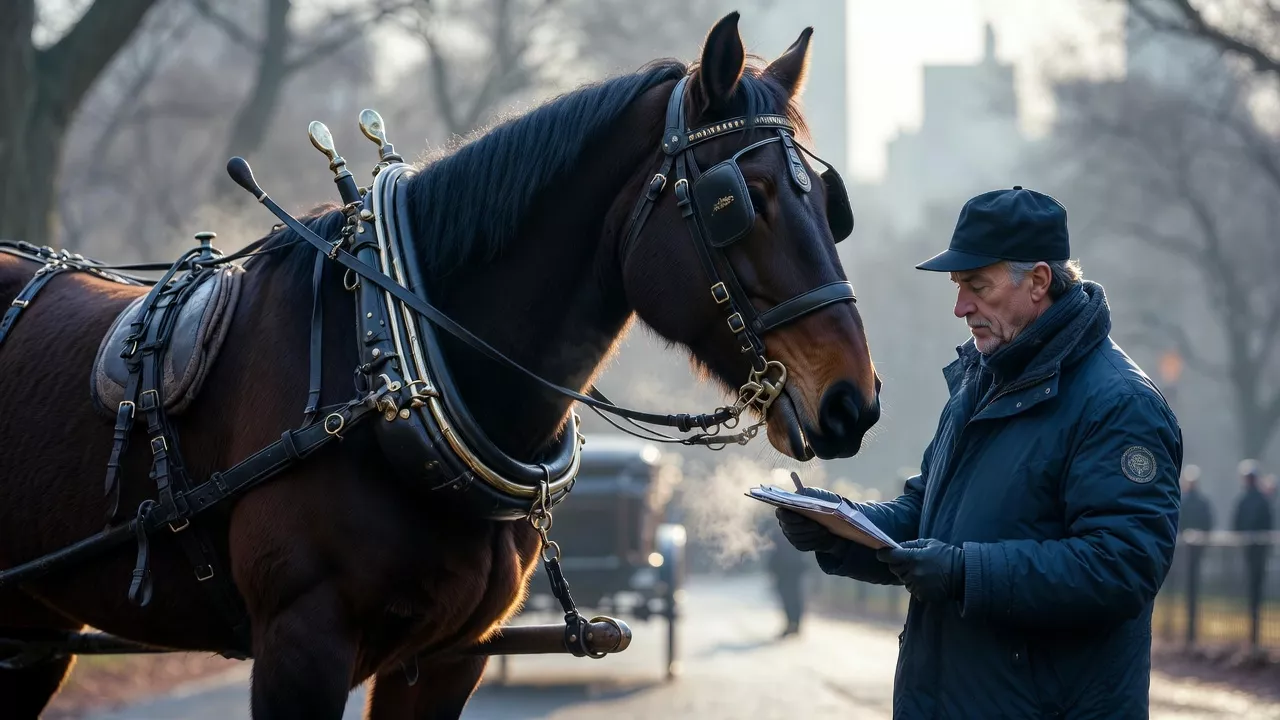
Under the new directive, carriage horses must be examined by veterinarians acting on behalf of the New York City Department of Health and Mental Hygiene. The inspections go beyond routine paperwork checks and are designed to offer an independent assessment of each horse’s health.
Key inspection elements include:
- Full physical examinations by licensed equine veterinarians
- Lameness and gait evaluations, including controlled trotting
- Blood tests to identify medications that may mask pain or injury
- Assessment of body condition, respiratory health, and stress indicators
Horses that fail to meet the city’s fitness standards can be temporarily or permanently removed from work. Owners who refuse inspections face potential license suspension, making compliance essential for continued operation.
Why New York City Introduced Mandatory Inspections
City officials say the decision was driven by growing concern over horse welfare in dense urban conditions. Traffic congestion, hard pavement, noise, crowds, and extreme weather all present challenges for working horses. Over the years, incidents involving distressed or collapsed horses have intensified public scrutiny.
Outgoing mayor Eric Adams signed the order in the final days of his administration, citing the need for transparent, standardized oversight. According to city officials, previous efforts to conduct voluntary veterinary reviews were blocked by some operators, limiting regulators’ ability to confirm compliance with existing welfare rules.
The new mandate aims to close that gap by ensuring every working horse is evaluated under the same medical standards.
Industry Reaction: Resistance and Legal Concerns
Carriage horse owners and drivers have responded with strong opposition. Industry representatives argue that the mandate undermines long-standing private veterinary relationships and introduces city-appointed exams they view as biased.
Operators maintain that carriage horses already receive regular veterinary care and that the new rule duplicates existing requirements while adding punitive enforcement measures. Some have refused to allow specific tests, including bloodwork and trotting evaluations, saying the city failed to consult meaningfully with the industry.
Legal challenges are being considered, with industry groups questioning whether the executive order exceeds municipal authority. While no court rulings have yet been issued, the possibility of litigation adds uncertainty to the mandate’s rollout.
Animal Welfare Groups Applaud the Decision
Animal welfare organizations have praised the inspections as a necessary step toward protecting working horses. Groups such as People for the Ethical Treatment of Animals argue that independent exams are the only reliable way to confirm whether horses are being pushed beyond safe limits.
Advocates say the policy reflects changing public attitudes and aligns New York City with modern animal welfare expectations. Some groups also view the mandate as a foundation for broader reforms, including potential limits on where and when carriage horses can operate—or even the long-term phaseout of the industry.
Central Park and the Tourism Economy
Horse-drawn carriages are closely associated with Central Park, where they have operated for more than a century. For tourists, carriage rides offer a nostalgic way to experience the city. For drivers and stable owners, they represent a vital source of income.
Tourism officials have largely avoided taking sides but acknowledge that public confidence in animal welfare is essential. City leaders argue that stronger veterinary oversight ultimately benefits tourism by assuring visitors that horses are healthy and properly cared for.
In the short term, inspections could reduce the number of active carriages if horses are removed from service pending evaluation or treatment. Longer term, the city believes the mandate will stabilize the industry under clearer welfare standards.
How Inspections Will Be Enforced
The city has indicated that inspections will be scheduled in phases to minimize disruption. However, enforcement authority rests firmly with regulators. Horses deemed unfit cannot return to work until cleared by a veterinarian, and repeated violations could lead to permanent license loss.
City officials emphasize that the goal is not to shut down carriage rides but to ensure compliance. Critics remain skeptical, warning that inconsistent enforcement could unfairly target certain operators.
Political Transition and the Future of Carriage Horses
The mandate is being implemented during a leadership transition at City Hall. Incoming mayor Zohran Mamdani has previously voiced support for stricter animal welfare oversight and has questioned whether horse-drawn carriages belong in a modern city.
While he has not announced changes to the inspection policy, his administration will oversee enforcement and any future reforms. Observers see the issue as an early test of how aggressively the city will regulate traditional industries under new leadership.
Existing NYC Carriage Horse Regulations
Before the new mandate, New York City already regulated carriage horses through licensing rules, weather restrictions, working-hour limits, and periodic veterinary certifications. City officials say mandatory inspections strengthen—not replace—those regulations by introducing independent verification.
Opponents argue that better enforcement of existing laws would have been sufficient. Supporters counter that independent exams are essential to ensure transparency and public trust.
What Happens Next for NYC Horse Carriages?
As veterinarian inspections begin, the impact of the mandate will become clearer. If most horses pass without issue, tensions may ease and the rule could become a new industry norm. If large numbers of horses are sidelined or enforcement proves contentious, conflict may intensify.
Possible next steps include:
- Legal challenges from carriage operators
- Additional City Council legislation
- Expanded welfare requirements or operational limits
Public opinion will remain a key factor. Some New Yorkers see horse-drawn carriages as a cherished tradition worth preserving under stricter standards. Others believe the inspections highlight deeper problems with using horses in urban environments.
A Turning Point for Horse Carriages in New York City
The veterinarian inspection mandate marks a turning point in how New York City approaches horse-drawn carriages. By prioritizing independent medical oversight, the city has signaled that animal welfare and accountability now outweigh tradition alone.
Whether the policy leads to reform, reduction, or eventual transformation of the industry, it has already reshaped the debate. As inspections move forward, the future of NYC’s carriage horses will be defined not just by history, but by health standards, enforcement, and evolving public values.