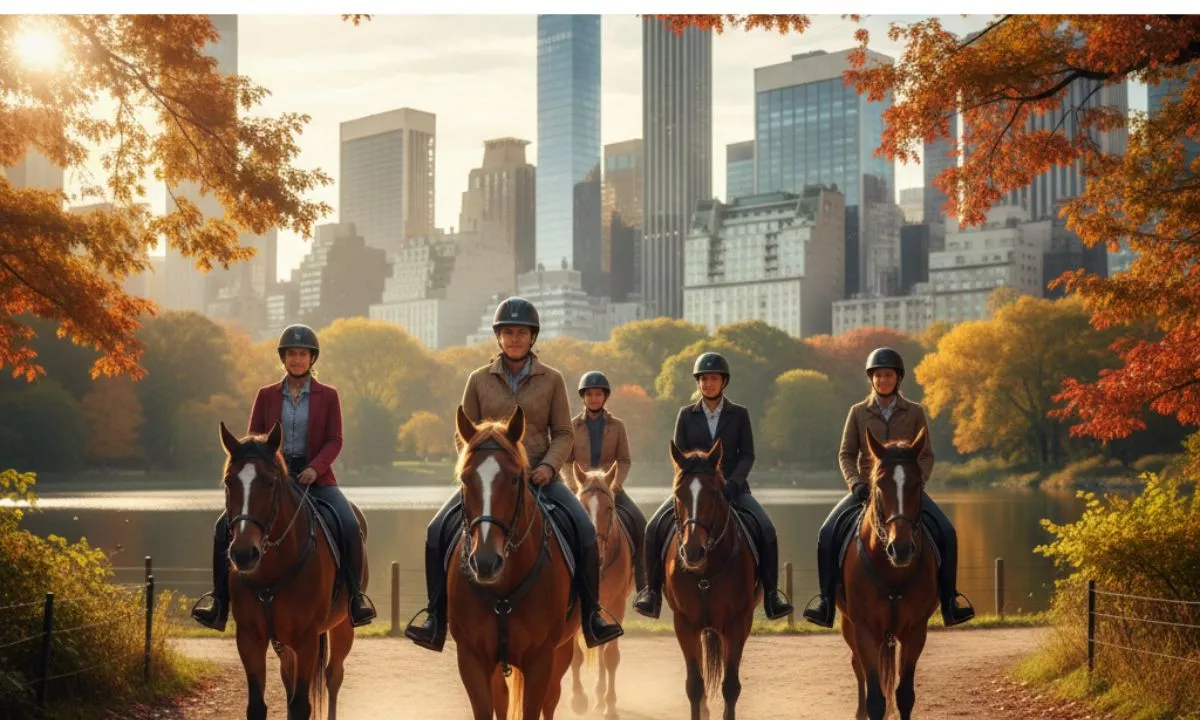
In the city that never sleeps, the rhythm is changing from the hum of tires to the rhythmic “clip-clop” of hooves on soft earth. For the first time in years, horseback riding is returning to the heart of Manhattan in a major way, with new guided tours reclaiming the historic bridle paths of Central Park.
Whether you’re a lifelong New Yorker or a visitor looking for that quintessential “Old New York” experience, here is the definitive guide to the return of horseback riding in Central Park.
The Mane Event: Horseback Riding Returns to Central Park
For over a century, horses were the primary way to experience Frederick Law Olmsted’s masterpiece. However, as the city grew, riding became a rare luxury. In 2026, a new chapter begins. Following a successful pilot program and the restoration of key equestrian infrastructure, authorized guided tours are once again operating on the park’s six miles of dedicated bridle paths.
This isn’t just about a hobby; it’s a revival of the park’s original DNA. The new tours offer a slower, more intimate way to see the 843-acre oasis, away from the bustling paved loops dominated by cyclists and runners.
What to Expect on a Guided Tour
The new tours are designed to be accessible for everyone—from first-time riders who have never touched a stirrup to seasoned equestrians looking for a unique urban hack.
- The Scenery: Most tours depart from the North Meadow area and immediately head toward the Jacqueline Kennedy Onassis Reservoir. The views of the Upper West Side and Upper East Side skylines reflecting off the water are unparalleled from the height of a saddle.
- The Terrain: You’ll be riding on the Bridle Path, a soft-dirt trail specifically engineered for horses. It winds through the North Woods, passes under historic cast-iron bridges, and offers a shaded canopy that feels miles away from the 5th Avenue traffic.
- The Pace: For safety and park preservation, all guided tours are kept to a walking pace. This allows riders to soak in the history and for the horses to remain calm in the urban environment.
Planning Your Ride: Costs, Booking, and Requirements
With the high demand for this “new-old” activity, spontaneity isn’t always an option. Here is the practical breakdown for 2026.
How to Book a Tour
Reservations are mandatory. You can no longer simply “show up” at a stable; instead, bookings are handled by authorized park partners such as Manhattan Riding Club and Riverdale Stables, who transport horses into the park for these specific excursions.
Tour Pricing and Duration
| Tour Type | Duration | Price (Approx.) | Best For |
| The Reservoir Loop | 1 Hour | $110 | Beginners & Quick Sightseeing |
| The North Woods Explorer | 1.5 Hours | $160 | Nature Lovers & Photographers |
| Private Sunset Ride | 1 Hour | $275 | Romantic Dates & Proposals |
Rider Requirements
- Age: Most operators require riders to be at least 10 to 12 years old.
- Weight: For the welfare of the horses, there is typically a weight limit of 225–250 lbs.
- Equipment: Helmets are provided and mandatory. It is recommended to wear long pants and closed-toe shoes with a small heel.
Horseback Riding vs. Carriage Rides: What’s the Difference?
While both involve horses, the experiences are worlds apart. As of 2026, New York City is undergoing a transition regarding the iconic horse-drawn carriages, with increased regulations and a push toward electric alternatives for street-level sightseeing.
Horseback riding offers a more active, “in-nature” experience. Because riders use the interior bridle paths rather than the paved outer drives, they avoid the majority of car and bike traffic, making it a more peaceful, “equestrian-first” journey.
The History: Why These Paths Exist
When Central Park was designed in the 1850s, Olmsted and Vaux created a “separation of ways.” They built sunken transverse roads for city traffic, paved drives for carriages, and winding dirt paths for riders on horseback.
By the late 20th century, many of these paths had fallen into disrepair or were taken over by joggers. The 2026 revival is part of a larger effort by the Central Park Conservancy to restore the original “rhythms” of the park. The reopening of these tours has funded the resurfacing of the paths with specialized equestrian footing that is easier on the horses’ joints.
Best Times to Ride
- Spring: For the cherry blossoms surrounding the Reservoir.
- Autumn: Late October offers a “tunnel of gold” through the North Woods.
- Early Morning: The “Early Bird” rides at 8:00 AM are the most serene, often before the park reaches peak capacity.
Safety and Animal Welfare
A major component of the 2026 return is a strict “Horse First” policy. The horses used for these tours are typically “commuter” horses—they live in spacious stables in the Bronx or New Jersey and are trailered in for their shifts.
- Weather Restrictions: Rides are automatically canceled if temperatures exceed 89°F or if there is heavy ice on the paths.
- Rest Periods: Each horse is limited to a set number of hours per day to prevent overexertion.
Local Pro Tip: If you’re not ready to ride, the North Meadow hitching posts are a great place to see the horses up close. The guides are usually happy to answer questions about the different breeds (often Quarter Horses and Draft crosses) used for the tours.
A New Era for an Old Tradition
The return of horseback riding to Central Park is more than just a tourist attraction; it’s a victory for those who believe in preserving the tactile, historic soul of New York City. In a world of digital screens and high-speed transit, there is something profoundly grounding about seeing the Manhattan skyline from between a horse’s ears.