Executive Summary
Feeding for hindgut health is one of the most effective yet frequently underestimated strategies for colic prevention in horses. Epidemiological evidence shows that a large proportion of feeding-related colic episodes arise not from sudden disease, but from cumulative feeding management mistakes that compromise hindgut health in horses over time (Traub-Dargatz et al., 1999; Tinker et al., 1997). Annual colic incidence rates of approximately 4–10 cases per 100 horses, combined with meaningful recurrence rates, demonstrate that colic is often a predictable outcome of horse feeding and colic risk factors, rather than an unavoidable emergency.
Introduction
Colic rarely begins as a dramatic event. In many barns, the earliest signs are subtle and easily dismissed. A horse leaves part of its grain after a ration adjustment. Manure becomes slightly looser following a hay change. Mild gastrointestinal discomfort appears after an increase in concentrate to support training. Within days, these signs may progress into a recurrent mild colic episode that reflects deeper equine digestive tract function imbalance.
Why Hindgut Health Matters
The Hindgut’s Role in Digestion
The equine hindgut, consisting of the cecum and large colon, is the primary site of large colon fermentation in horses. Here, microbial fermentation converts fibrous plant material into usable energy, contributing significantly to equine digestive health and metabolic stability (National Research Council [NRC], 2007).
Fermentation, Fiber, and Fluid Balance
Stable hindgut fermentation horses depend on requires continuous fiber intake, controlled starch delivery, and adequate hydration. When forage enters the hindgut gradually, microbial fermentation proceeds slowly and predictably, producing consistent SCFA output and minimal gas. Adequate water maintains digesta viscosity and normal motility.
When these inputs become inconsistent, fermentation shifts toward volatility. Lactic acid production in the hindgut increases, hindgut pH drops, microbial populations shift, and gas accumulation rises. Dehydration further increases resistance to intestinal movement, creating ideal conditions for gas colic horses feeding errors and impaction colic feeding causes (Hillyer et al., 2002).
Common Feeding Mistakes That Trigger Colic
Too Much Grain or Starch
Excessive starch per meal is a leading contributor to grain feeding and colic. When the small intestine’s digestive capacity is exceeded, undigested starch enters the hindgut, where rapid microbial fermentation increases lactic acid production and drives hindgut acidosis in horses (Kienzle et al., 1998).
In practice, high-starch diet horses are most often seen during peak performance seasons. Field experience shows that redistributing concentrate intake across meals and shifting toward low-starch feeding horses markedly improves fermentation stability and reduces colic frequency (de Fombelle et al., 2003). This illustrates the relationship between grain feeding and colic risk.
Fiber-Rich Diets for Healthy Fermentation
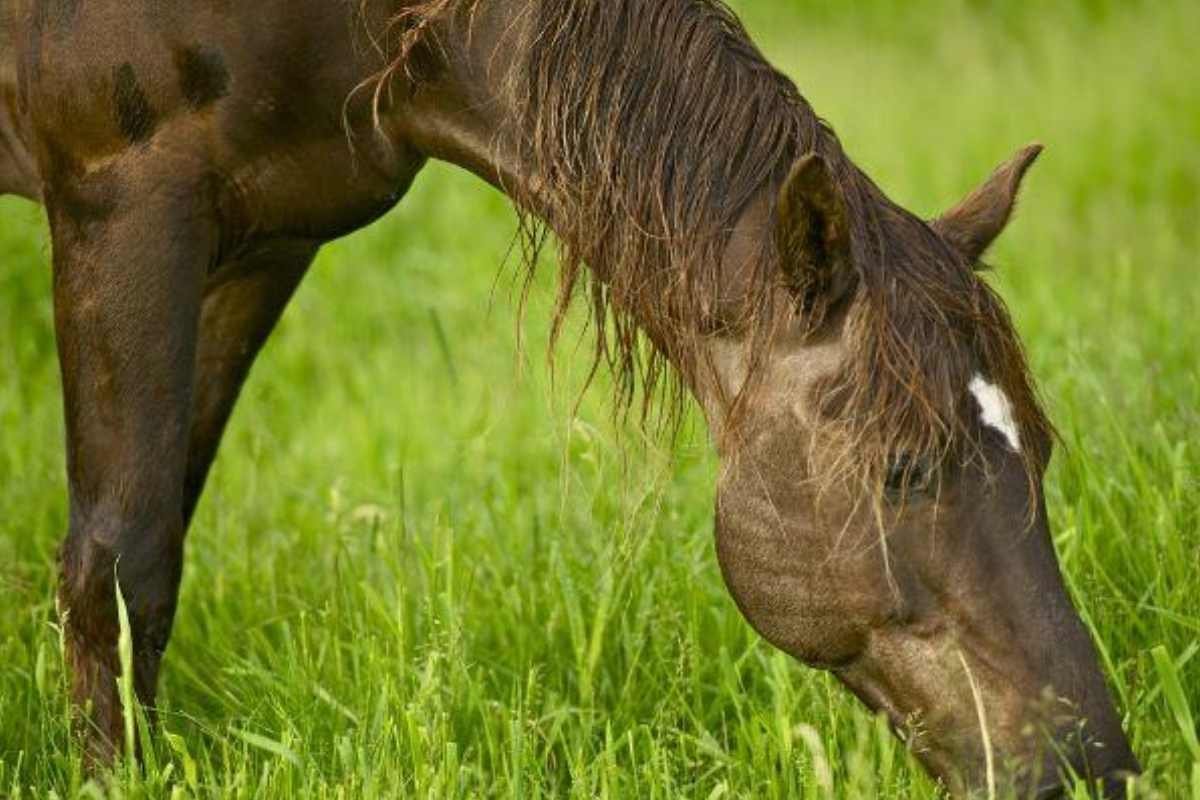
Fiber-rich diets promote slow, controlled fermentation and reduce hindgut acidosis. Emphasizing fiber digestion horses rely on supports how to support hindgut fermentation naturally.
Sudden Feed or Hay Changes
Abrupt feed changes in horses are consistently associated with colic. Hindgut microbes require time to adapt to new substrates, and sudden dietary shifts disrupt microbial fermentation (Hudson et al., 2001; Julliand & Grimm, 2016).
In real-world boarding facilities, hay change colic risk increases when new forage is introduced without transition. Gradual blending protocols reduce digestive upset and stabilize manure consistency. This demonstrates how sudden feed changes cause colic in horses and how feeding consistency mitigates risk.
Poor-Quality or Inconsistent Forage
Poor-quality forage reduces fiber digestion and increases impaction risk, especially when forage intake horses receive falls below requirements (NRC, 2007). Extended forage gaps and colic risk in horses are particularly problematic overnight.
In rehabilitation settings, fiber-based diet horses on inconsistent forage show higher rates of impaction colic. Improving forage quality and ensuring continuous forage access horses require significantly reduces digestive disturbances (Hillyer et al., 2002).
Not Enough Hydration or Salt
Dehydration and colic in horses are closely linked. Reduced water intake increases digesta viscosity and predisposes horses to impaction, particularly during transport or winter management (Hillyer et al., 2002). Salt intake supports thirst and fluid balance, making hydration a core element of dietary management for horses.
Overuse of Ulcer or NSAID Medications
Repeated NSAID use without supportive feeding practices can compromise large intestine health horses depend on. When combined with starch overload or dehydration, medication use increases susceptibility to gut pain from feeding errors and recurrent mild colic horses experience (Hallowell et al., 2018).
How to Feed for Hindgut Stability
Forage-First Feeding
Forage-first feeding horses benefit from continuous fiber supply that supports stable microbial fermentation and SCFA production. Meeting forage intake requirements for horses hindgut health is foundational to feeding management for colic prevention (NRC, 2007).
Meal Frequency and Portion Control
Adjusting feeding frequency horses receive and reducing meal size lowers starch overflow and stabilizes fermentation, addressing meal size and colic risk without reducing energy intake (de Fombelle et al., 2003).
Supplements to Support the Hindgut
Supplements may assist during stress, but cannot replace sound feeding architecture. Effective equine nutrition strategies prioritize diet composition and hydration over additive reliance (Whitfield-Cargile et al., 2022).
Conclusion
Healthy hindgut function is central to prevent colic horses strategies. Feeding mistakes that disrupt fermentation create predictable biological pathways to digestive upset, while feeding for hindgut health stabilizes fermentation, supports SCFA production, and reduces colic risk. Understanding horse feeding and colic relationships allows professionals and owners to implement colic-safe feeding strategies that improve equine digestive health long-term.
Frequently Asked Questions (FAQs)
Q1: Can grain really cause colic in horses?
A: Yes, excessive starch per meal increases hindgut acidosis and disrupts microbial fermentation, raising colic risk (Kienzle et al., 1998).
Q2: What feeding changes reduce colic risk?
A: Forage-first diets, slow feed transitions, controlled starch intake, and hydration management reduce colic risk most effectively (Hudson et al., 2001).
Q3: How does fiber help prevent colic?
A: Fiber supports stable fermentation, SCFA production, and water retention, reducing digestive upset and impaction risk (Hamer et al., 2008).
Call to Action
Review your horse diet management practices with hindgut health in mind. Identify feeding management mistakes horses may be exposed to, assess forage intake and hydration, and apply small, consistent improvements. Share this article with others seeking best feeding practices for hindgut health in horses and explore additional resources on colic prevention feeding.
References
- de Fombelle, A., Julliand, V., Drogoul, C., & Jacotot, E. (2003). Feeding and microbial disorders in horses: Effects of three hay:grain ratios on microbial profile and activities. Journal of Animal Science, 81(4), 961–972.
- Hallowell, G. D., Bowen, I. M., & Parkin, T. D. H. (2018). Advances in understanding equine colic. Veterinary Clinics of North America: Equine Practice, 34(1), 1–12.
- Hamer, H. M., Jonkers, D., Venema, K., Vanhoutvin, S., Troost, F. J., & Brummer, R. J. (2008). The role of butyrate on colonic function. Alimentary Pharmacology & Therapeutics, 27(2), 104–119.
- Hillyer, M. H., Taylor, F. G. R., Proudman, C. J., Edwards, G. B., Smith, J. E., & French, N. P. (2002). Risk factors for colic in horses. Equine Veterinary Journal, 34(1), 30–36.
- Hudson, J. M., Cohen, N. D., Gibbs, P. G., & Thompson, J. A. (2001). Feeding practices associated with colic in horses. Journal of the American Veterinary Medical Association, 219(10), 1419–1425.
- Julliand, V., & Grimm, P. (2016). The impact of diet on the hindgut microbiome. Journal of Equine Veterinary Science, 38, 23–28.
- Kienzle, E., Radicke, S., Landes, E., Kleffken, D., & Meyer, H. (1998). Activity of amylase in the gastrointestinal tract of the horse. Journal of Animal Physiology and Animal Nutrition, 79(2), 80–86.
- National Research Council. (2007). Nutrient requirements of horses (6th rev. ed.). National Academies Press.
- Tinker, M. K., White, N. A., Lessard, P., Thatcher, C. D., Pelzer, K. D., Davis, B., & Carmel, D. K. (1997). Prospective study of equine colic incidence and mortality. Equine Veterinary Journal, 29(6), 448–453.
- Traub-Dargatz, J. L., Kopral, C. A., Seitzinger, A. H., Garber, L. P., Forde, K., & White, N. A. (1999). Estimate of the national incidence of and operation-level risk factors for colic among horses in the United States. Journal of the American Veterinary Medical Association, 215(1), 53–60.
- Whitfield-Cargile, C. M., Cohen, N. D., & McKenzie, H. C. (2022). The equine hindgut microbiome and metabolome: Implications for health and disease. Equine Veterinary Journal, 54(2), 215–227.