Executive Summary:
Understanding common hoof problems is critical to maintaining your horse’s overall health and soundness. This comprehensive guide details the top ten hoof issues horses face, provides signs to identify each condition, and outlines proven preventative strategies. By recognizing these early signs and implementing proactive hoof care routines, horse owners, trainers, and farriers can greatly reduce the incidence of hoof problems, enhancing equine welfare and performance.
Introduction
Healthy hooves are essential for optimal equine health, performance, and comfort. Many horse owners and farriers frequently encounter common hoof issues that compromise horse health and productivity. Conditions like thrush, laminitis, and hoof cracks not only cause discomfort but can escalate into severe lameness if neglected. High-quality hoof trimming tools are critical in effective hoof care, enabling precision, reducing risk of injury, and improving overall hoof health outcomes. This guide discusses ten prevalent hoof problems horses face, highlights early symptoms, and provides practical prevention methods to enhance hoof care and overall equine health.
- Thrush in Hoof Care
- Thrush is a bacterial infection of the frog that thrives in moist conditions, causing foul odor and black discharge.
- Signs: Black discharge, foul odor, tenderness.
- Prevention: Daily hoof care using precise tools, dry conditions, regular trims, antiseptic treatments.
- Hoof Abscess Management
- Abscesses result from infections trapped inside the hoof, causing sudden severe lameness.
- Signs: Severe lameness, warm hoof, strong pulse.
- Prevention: Regular trims with sharp, clean tools, consistent moisture management, immediate care for punctures, clean environments.
- Laminitis (Founder)
- Inflammation of hoof laminae, linked to dietary or metabolic issues, causing significant discomfort.
- Signs: Hoof heat, frequent weight shifting, movement reluctance.
- Prevention: Balanced diet, controlled grazing, routine hoof care with quality trimming tools, regular exercise, weight management.
- White Line Disease
- Bacterial or fungal invasion causing separation and deterioration of the hoof wall.
- Signs: Hoof wall separation, powdery tissue, cavities.
- Prevention: Regular precise hoof inspections, nutritional supplements, dry footing.
- Hoof Wall Cracks
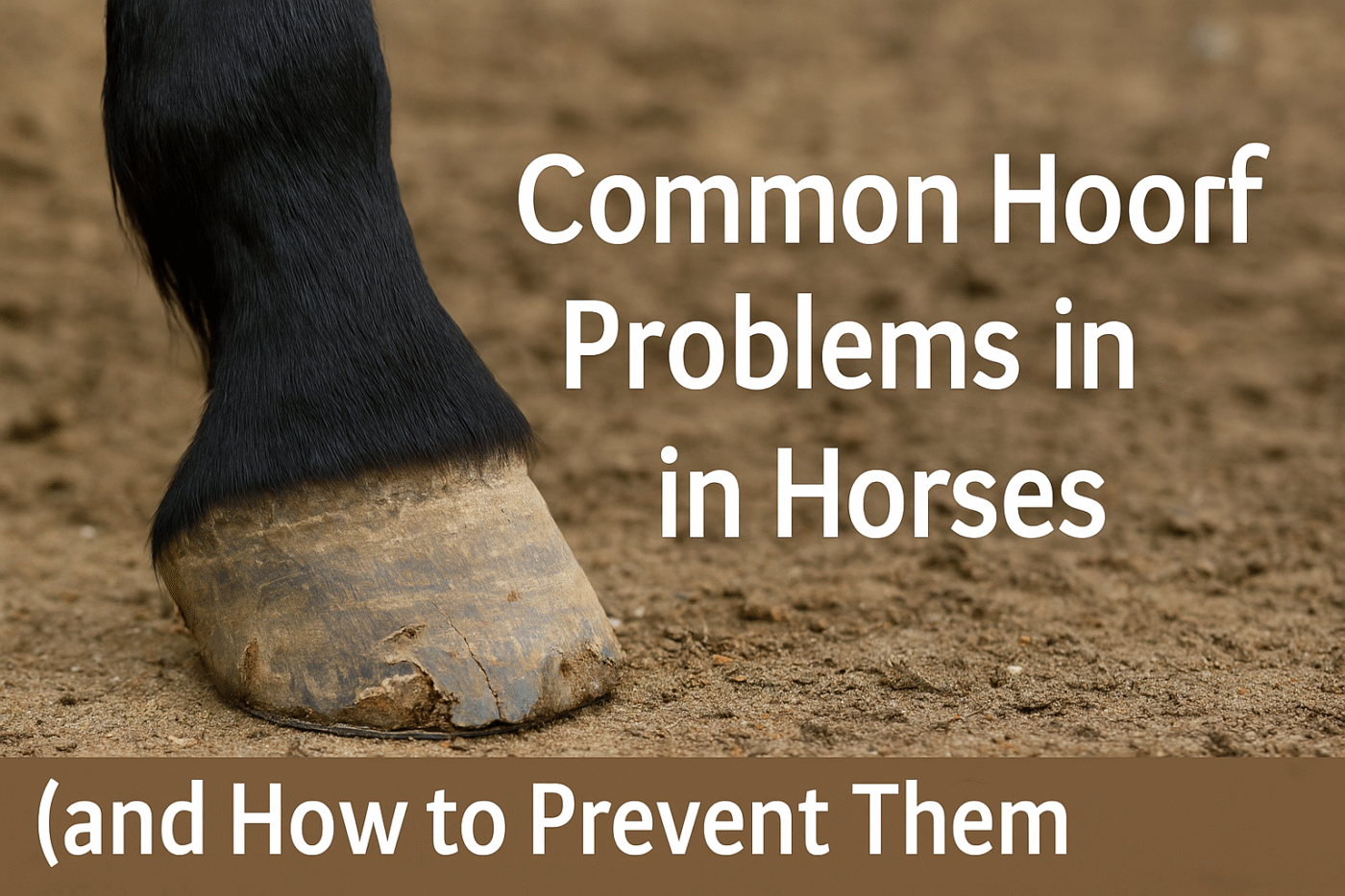
- Vertical cracks due to dryness, improper trimming, or imbalance, affecting hoof integrity.
- Signs: Visible cracks, flaking, chipping.
- Prevention: Hoof moisturizers, balanced trimming with sharp tools, nutritional support, protective shoeing.
- Sole Bruises and Corns
- Bruising from trauma or improper shoeing causing discomfort.
- Signs: Dark sole spots, sensitivity.
- Prevention: Soft footing, protective pads, balanced trimming with quality tools, terrain management.
- Navicular Syndrome
- Degenerative condition causing chronic front-foot lameness in performance horses.
- Signs: Gradual lameness, shortened stride, toe-first landing.
- Prevention: Proper hoof angles using precise tools, regular shoeing, supportive heel care, workload management.
- Hoof Puncture Wounds
- Foreign objects penetrating the hoof risk severe infections.
- Signs: Sudden lameness, swelling, visible objects.
- Prevention: Clean environments, regular checks with careful tool handling, prompt veterinary care, removing hazards.
- Canker: Aggressive Hoof Infection
- A rare infection causing abnormal frog growth.
- Signs: Excessive growth, foul odor, discharge.
- Prevention: Hygienic care, early treatment using clean and precise tools, vet checks.
- Contracted and Underrun Heels
Poor heel conformation affecting balance and function.
- Signs: Narrow heels, distorted shape.
- Prevention: Regular trimming using quality tools, therapeutic shoeing, corrective interventions, moisture balance.
Conclusion and Call to Action
Proactive hoof care is crucial for equine health. Utilizing high-quality trimming tools ensures accurate and safe hoof maintenance, directly influencing the prevention and management of common hoof issues. Commit to daily checks, regular farrier visits, and prompt veterinary consultation. Prioritize hoof health—it is vital to overall equine well-being.
FAQs
- How often should horse hooves be trimmed?
- Every 6-8 weeks, depending on hoof growth and environmental conditions.
- Why are quality hoof trimming tools essential?
- High-quality tools ensure precision, reduce hoof damage risks, and improve hoof health outcomes.
- Immediate steps for suspected laminitis?
- Contact your vet, provide soft footing, remove dietary triggers.
- Can horses recover from abscesses fully?
- Yes, with prompt veterinary care including drainage and poulticing.
- Is thrush contagious?
- No, it arises from poor hygiene and wet conditions, not contagious between horses.
- Should hoof supplements be used consistently?
- Yes, supplements with biotin, zinc, and copper significantly enhance hoof health.
- What risks do poor-quality trimming tools pose?
- They increase the risk of uneven trims, hoof injury, infections, and prolonged recovery.