Four horses in Colorado have tested positive for Equine Infectious Anemia (EIA), prompting immediate quarantine measures, euthanasia decisions, and renewed warnings from animal health authorities. The development has raised concern across the equine industry, as EIA is a lifelong, incurable viral disease with serious implications for horse movement, competition, breeding, and overall biosecurity. As the situation unfolds, veterinarians and regulators are urging horse owners to review testing records and strengthen preventive practices.
Four Colorado horses test positive for EIA
According to official confirmations, four Colorado horses test positive for EIA in a case centered in Adams County. The initial diagnosis involved a 5-year-old Quarter Horse mare used for racing, whose positive test result led to immediate containment actions. Subsequent testing identified three additional horses connected through exposure pathways. Three of the four horses have since been euthanized in accordance with long-standing disease control protocols, while the remaining horse is under strict regulatory oversight as officials determine the next steps.
The case has been monitored closely by the Colorado Department of Agriculture, working in coordination with private veterinarians and the national disease reporting network. Facilities associated with the infected horses were placed under quarantine, restricting the movement of horses, equipment, and personnel until all exposed animals are tested and cleared.
What is Equine Infectious Anemia?
Equine Infectious Anemia is a viral disease that affects horses, donkeys, and mules. Often referred to as “swamp fever,” EIA attacks the immune system and is characterized by recurring episodes of fever, anemia, weight loss, and lethargy. Some horses develop severe, acute illness, while others become inapparent carriers with few outward signs. Regardless of symptoms, infected horses remain carriers for life.
There is no vaccine and no cure for EIA. Because the virus persists indefinitely in infected animals, disease control relies on prevention, surveillance, and, in most cases, humane euthanasia. This reality makes any report that Colorado horses test positive for EIA a matter of regional and national concern, especially in states with active equine industries.
How EIA spreads among horses
EIA is transmitted primarily through blood-to-blood contact. Large biting insects such as horseflies and deer flies are the most common natural vectors, transferring infected blood from one horse to another during feeding. The virus can also spread through contaminated needles, syringes, dental tools, tattoo equipment, or any instrument that carries blood between animals.
Veterinary experts emphasize that while insect transmission is difficult to eliminate entirely, iatrogenic spread—transmission through human activity—is preventable. Proper sanitation, single-use needles, and strict hygiene protocols significantly reduce the risk of outbreaks. The Colorado cases have renewed attention on these practices, particularly in high-traffic environments such as racetracks, training barns, and breeding facilities.
Timeline of the Colorado EIA cases
The first positive test was reported in late December, following routine screening. Once confirmation was received, state officials initiated an epidemiological investigation to trace horse movements, shared equipment, and potential insect exposure. Additional testing identified two more positive horses connected to the same network. A fourth horse later tested positive, expanding the scope of the response.
As news spread that four Colorado horses test positive for EIA, surrounding farms and stables began reviewing records and voluntarily restricting movement. Officials identified approximately a dozen potentially exposed horses, all of which are undergoing serial testing as required by state and federal guidelines.
The role of the Coggins test
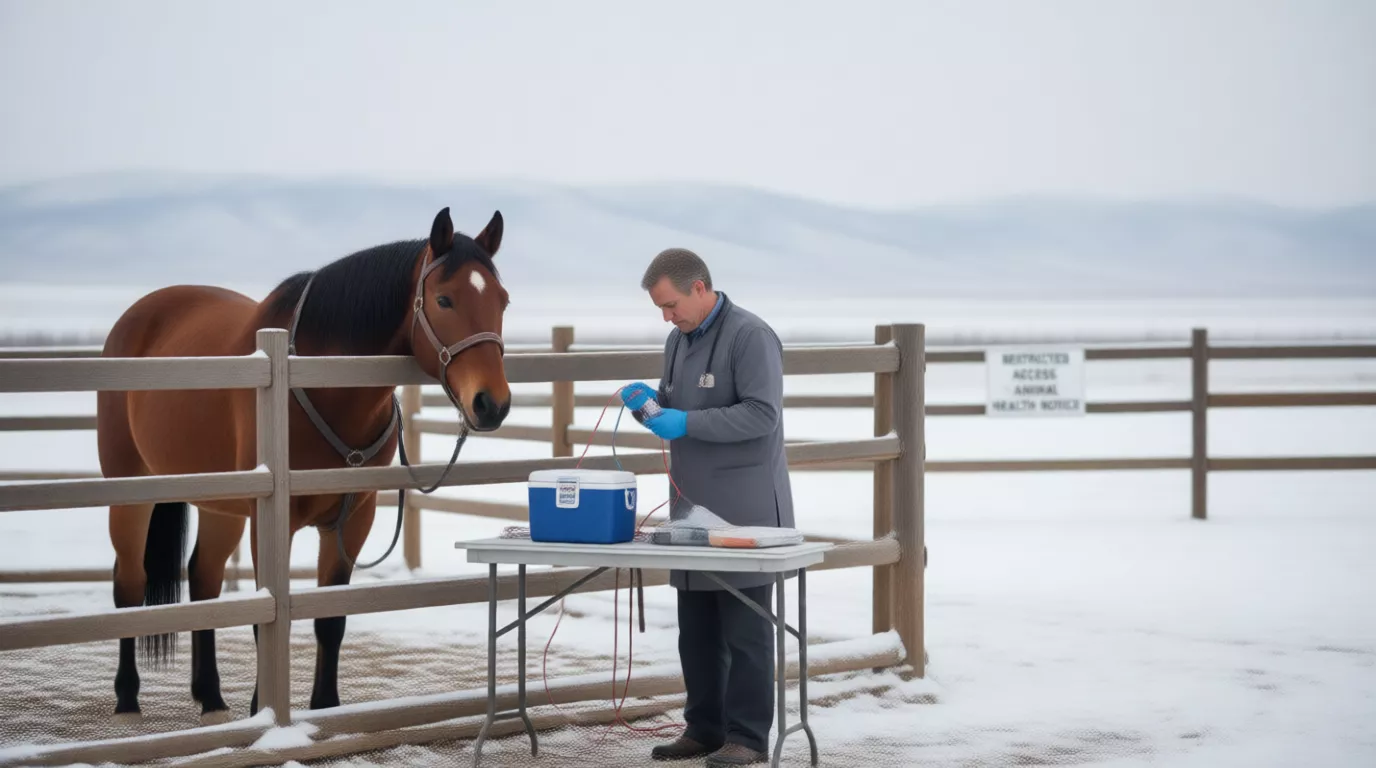
The primary diagnostic tool for EIA is the Coggins test, a blood test that detects antibodies to the virus. Named after Dr. Leroy Coggins, who developed the test in the 1970s, it remains the gold standard for EIA surveillance. Most U.S. states require a negative Coggins test for interstate travel, competition, sale, or change of ownership.
In the wake of the Colorado cases, veterinarians are reminding owners that a valid, up-to-date Coggins test is not just a regulatory formality but a critical biosecurity measure. Regular testing helps identify infected horses early, before they can unknowingly spread the virus to others.
Why infected horses are euthanized
One of the most difficult aspects of EIA control is the lack of treatment options. Infected horses either must be euthanized or kept in lifelong, strict quarantine at a significant distance from other equids—often at least 200 yards—under continuous monitoring. Because maintaining such isolation is impractical for most owners and facilities, euthanasia is the most common outcome.
Animal welfare experts stress that this decision is made to protect the broader equine population. When Colorado horses test positive for EIA, the priority becomes preventing further transmission, even when it involves heartbreaking choices for owners and caregivers.
Impact on Colorado’s equine community
Colorado has a diverse and active equine sector, including racing, rodeo, sport horse disciplines, breeding operations, and recreational riding. Any confirmed EIA cases can disrupt scheduled events, sales, and transport, as quarantines limit movement and create uncertainty.
Trainers and stable managers report increased vigilance following the announcement. Many are reinforcing insect control programs, reviewing sanitation protocols, and ensuring that all horses on their premises have current health documentation. The incident serves as a reminder that even rare diseases can have wide-ranging economic and emotional impacts.
National context: why EIA cases still occur
EIA is relatively uncommon in the United States compared to many other equine diseases, thanks to decades of testing and movement controls. However, sporadic cases still occur each year, often linked to lapses in biosecurity or the movement of untested horses.
Organizations such as the Equine Disease Communication Center play a crucial role in disseminating accurate, timely information about outbreaks. Their alerts help veterinarians and horse owners respond quickly when cases like those in Colorado arise.
Biosecurity lessons from the Colorado outbreak
The fact that four Colorado horses test positive for EIA underscores several key biosecurity principles. First, routine testing remains essential, even for horses that do not travel frequently. Second, insect control—through fly management, manure removal, and environmental controls—reduces but does not eliminate risk. Third, strict hygiene practices during veterinary and husbandry procedures are non-negotiable.
Experts also advise owners to isolate new arrivals until health records are verified and to avoid sharing equipment between horses unless it has been thoroughly cleaned and disinfected. These measures, while sometimes inconvenient, form the backbone of disease prevention.
Regulatory response and ongoing monitoring
The United States Department of Agriculture works alongside state authorities to establish national standards for EIA control. In Colorado, the response has followed established protocols, including quarantine orders, mandatory testing of exposed animals, and reporting through official channels.
State veterinarians continue to monitor the situation closely. Quarantines will remain in place until all potentially exposed horses test negative on repeat examinations conducted over the required time frame. Only then can affected facilities resume normal operations.
What horse owners should do now
While the confirmed cases are limited, veterinarians emphasize that awareness is critical. Owners should confirm that their horses have current Coggins tests, consult veterinarians before traveling, and remain alert for any signs of illness. Although many infected horses show few symptoms, unexplained fever, lethargy, or weight loss should always prompt veterinary evaluation.
The Colorado incident also highlights the value of transparent communication. Prompt reporting and cooperation with authorities help contain outbreaks quickly and minimize long-term disruption to the equine industry.
Looking ahead
As investigations continue, officials remain cautiously optimistic that the outbreak has been contained. The identification of cases and rapid implementation of control measures demonstrate that surveillance systems are working as intended. Still, the episode serves as a reminder that vigilance must be ongoing.
When Colorado horses test positive for EIA, the consequences extend beyond a single farm or county. The disease challenges the entire equine community to recommit to best practices in testing, hygiene, and responsible horse management.
Conclusion
The confirmation that four Colorado horses have tested positive for Equine Infectious Anemia has brought renewed focus to a disease many owners rarely encounter but must always respect. Through swift action, transparent reporting, and adherence to established biosecurity measures, authorities aim to prevent further spread and protect the state’s equine population.
For horse owners, trainers, and veterinarians alike, the message is clear: prevention, preparation, and cooperation remain the most effective tools against EIA. As Colorado works through the aftermath of these cases, the broader equine community is reminded that diligence today helps safeguard horses tomorrow.