Executive Summary
Senior horse wellness is a critical component of modern equine health management, requiring a structured approach to senior horse care, senior horse health, and long-term horse longevity. As part of the broader horse aging process, aging horses experience progressive changes in digestion, metabolism, and immune function, making geriatric horse care increasingly specialized.
This guide explores the science behind equine aging, focusing on equine gut health in older horses, endocrine disease in horses, and musculoskeletal decline. It highlights how aging horse health is influenced by reduced digestive efficiency in senior horses, microbiome in horses, and hormonal imbalance in horses, including conditions such as pituitary pars intermedia dysfunction.
By integrating senior horse nutrition, senior horse feeding strategies, and senior horse veterinary care, this resource provides a comprehensive senior horse management plan. The objective is to enhance equine longevity, improve quality of life in horses, and support effective older horse management through evidence-based strategies.
Introduction
Many owners begin to notice subtle signs of aging in horses, such as stiffness, weight loss in senior horses, or declining energy levels. These early aging horse symptoms often reflect deeper physiological changes associated with the aging equine population.
Understanding how to care for an aging horse requires recognizing that aging affects multiple systems simultaneously. Changes in equine digestive health, immune function in horses, and metabolic regulation can significantly impact senior horse health and horse well-being.
This guide serves as a comprehensive framework for senior horse wellness and equine longevity. It addresses how aging affects digestion in horses, how to maintain weight in senior horses, and how to improve gut health in older horses. By applying these strategies, owners can improve aging horse care outcomes and support long-term equine welfare.
Understanding Aging Horses and Longevity Factors
How Aging Affects Horses Physiologically
The horse aging process involves progressive changes in metabolic function, equine body composition, and digestive efficiency. One of the most significant shifts occurs in hindgut fermentation in horses, where microbial balance in horses becomes less stable.
The horse gut microbiome aging process leads to reduced fiber digestion in horses and impaired nutrient absorption in horses. This affects nutrient utilization in horses and contributes to weight loss in senior horses (Julliand & Grimm, 2016; Dougal et al., 2014).
Additionally, immune function in horses declines with age, increasing susceptibility to chronic disease in aging horses and reducing resilience to stress. Muscle loss in horses, topline loss in horses, and changes in fat distribution in horses further impact physical performance and structural stability.
Key Factors Affecting Horse Longevity
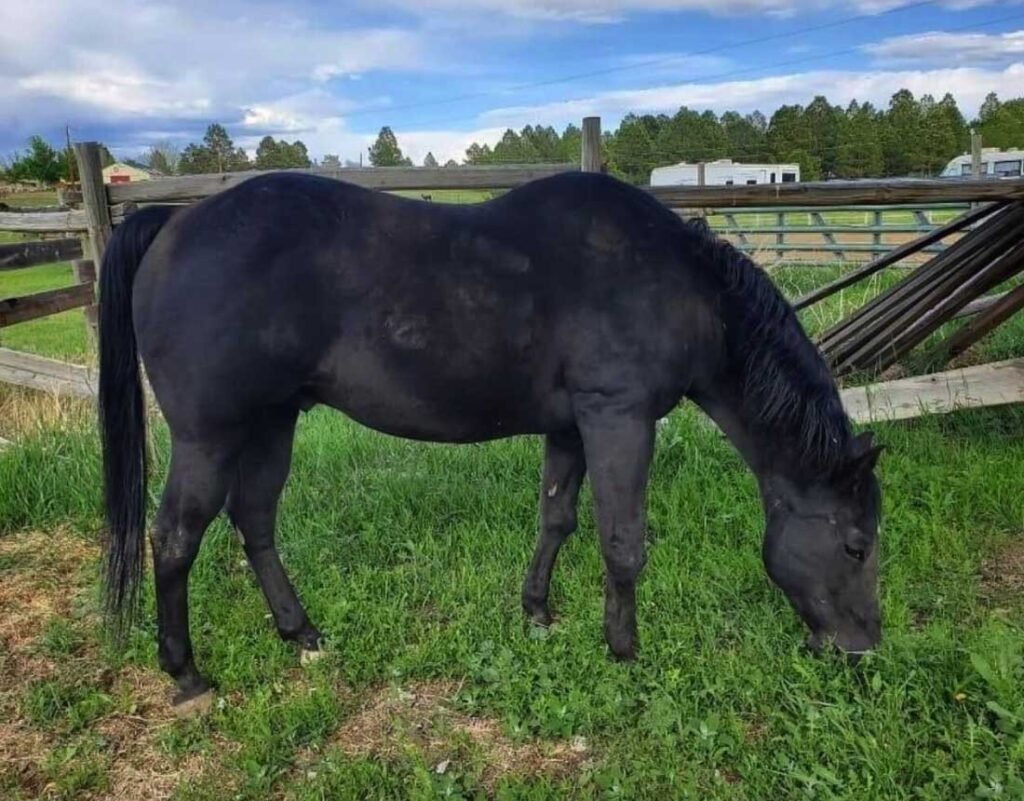
Horse longevity is influenced by genetics, workload, and equine health management practices. However, the most impactful factors include senior horse nutrition, preventive care, and consistent monitoring.
Senior Horse Nutrition and Gut Health
Best Nutrition Plan for Aging Horses
Senior horse nutrition is essential for maintaining energy balance and preventing weight loss in senior horses. A high fiber diet for horses supports hindgut stability and fermentation in horses, but aging horses often require dietary modifications.
Soaked feed for senior horses and forage alternatives for horses with dental issues are particularly beneficial for horses experiencing dental disease in horses or EOTRH in horses. These strategies directly address what to feed a senior horse with poor teeth and support forage digestion in older horses.
A structured senior horse feeding schedule ensures consistent nutrient intake while supporting equine digestive health and microbial balance in horses.
Equine Gut Health and Microbiome Stability
Equine gut health in older horses is a cornerstone of senior horse wellness. The microbiome in horses plays a central role in digestion, immune regulation, and metabolic stability.
As the horse gut microbiome aging process progresses, microbial diversity decreases, leading to reduced fermentation efficiency and digestion problems in senior horses (Dougal et al., 2014).
Supporting hindgut health in aging horses through consistent feeding, high-quality fiber, and stable dietary practices improves digestive efficiency in senior horses and enhances overall equine longevity.
Dental Care and Weight Management in Older Horses
Dental care for senior horses is essential for maintaining effective digestion and preventing weight loss in senior horses. Aging-related dental disease in horses, including EOTRH, significantly reduces chewing efficiency and forage digestion.
When dental issues are not addressed, nutrient absorption in horses declines, leading to poor body condition scoring horses and uneven equine body composition. Regular dental evaluations are critical for detecting issues early (American Association of Equine Practitioners, 2020).
Weight management in older horses requires monitoring fat distribution in horses and adjusting feeding strategies accordingly. Addressing causes of weight loss in older horses ensures better long-term outcomes.
Joint Health, Mobility, and Exercise
Joint health horses becomes increasingly important as aging leads to stiffness and reduced flexibility. Senior horse exercise is essential for maintaining muscle condition in horses and supporting circulation.
Regular movement helps prevent muscle loss in horses and supports metabolic stability, particularly in horses with metabolic disorders in horses. However, exercise programs must be carefully managed to avoid excessive strain.
A balanced approach to senior horse exercise improves mobility, supports equine health management, and contributes to overall aged horse wellness.
Endocrine Diseases in Senior Horses
Understanding Metabolic and Hormonal Changes
Endocrine disease in horses is a major concern in aging horse health. Conditions such as PPID in horses, equine Cushing’s disease, and insulin dysregulation in horses disrupt hormonal balance and metabolic regulation.
Pituitary pars intermedia dysfunction leads to symptoms such as muscle loss, lethargy, and laminitis in older horses. These conditions reflect broader hormonal imbalance in horses and require early detection (McFarlane, 2011).
Management Strategies
Managing endocrine disorders involves monitoring signs of PPID in older horses, adjusting diet, and implementing veterinary care.

Daily Routine and Seasonal Management for Older Horses
A structured daily routine for older horses supports digestive stability, reduces stress, and improves equine welfare. Consistency in feeding, turnout, and observation is essential for identifying signs of aging in horses.
Seasonal care for older horses is critical. Winter care for senior horses requires increased caloric intake and protection from cold stress, while summer management focuses on hydration and preventing heat stress.
These practices are essential components of geriatric horse management and support long-term horse condition management.
Quality of Life and Welfare Assessment
Quality of life in horses is a central consideration in senior horse care. Equine welfare assessment involves evaluating mobility, behavior, appetite, and overall comfort.
Senior horse quality of life assessment tools help determine when to adjust care strategies or consider horse retirement care. Understanding how to assess quality of life in horses ensures that equine longevity is balanced with welfare.
Decisions such as when to retire a horse from riding should be guided by both physical condition and behavioral indicators.
Real-World Case Insights
In real-world scenarios, aging horses often present with complex challenges. For example, a horse experiencing weight loss despite adequate feeding may benefit from improved digestive efficiency rather than increased feed volume.
In cases involving dental disease, transitioning to soaked feed for senior horses improves nutrient intake and weight stability. Similarly, structured exercise programs enhance muscle condition in horses and support metabolic health.
These examples demonstrate how applying knowledge of physiological aging in horses leads to more effective management strategies.
Conclusion
Senior horse wellness requires a comprehensive and adaptive approach that integrates senior horse nutrition, preventive care, and consistent monitoring. Understanding the horse aging process enables more precise and effective management.
By focusing on equine gut health, endocrine stability, and tailored aging horse care strategies, it is possible to improve both horse longevity and quality of life in horses. These practices ensure that older horses remain healthy, comfortable, and well-supported.
Frequently Asked Questions (FAQs)
Q1: When does a horse become a senior?
A: Most horses are considered senior between 15 and 20 years of age, depending on workload and health status.
Q2: How to maintain weight in senior horses?
A: Focus on improving digestive efficiency, using soaked feeds, and ensuring proper nutrient absorption in horses.
Q3: What are the signs of PPID in older horses?
A: Signs include abnormal coat, muscle loss, lethargy, and increased risk of laminitis in older horses.
Call to Action (CTA)
Start implementing a structured senior horse management plan today by reviewing your horse’s diet, dental health, and daily routine. Consult a veterinarian for personalized senior horse veterinary care and monitor ongoing changes to support long-term equine longevity and well-being.
References
- American Association of Equine Practitioners. (2020). Dental care guidelines for horses.
- Dougal, K., de la Fuente, G., Harris, P. A., Girdwood, S. E., & Newbold, C. J. (2014). Identification of a core bacterial community within the large intestine of the horse. PLoS ONE, 9(10), e107678.
- Julliand, V., & Grimm, P. (2016). The impact of diet on the hindgut microbiome. Journal of Equine Veterinary Science, 39, S23–S28.
- McFarlane, D. (2011). Equine pituitary pars intermedia dysfunction. Veterinary Clinics of North America: Equine Practice, 27(1), 93–113.