Introduction
Learning to use hoof nippers can be intimidating for beginners. One wrong cut can lead to injury or discomfort for the horse. That’s why training with dummy hooves or cadaver hooves is a critical step in farrier education. These practice tools allow students and new farriers to gain confidence, build muscle memory, and perfect their trimming techniques before working on live animals. In this blog, we’ll explore the types of practice hooves available, what tools you need, and how to structure effective training sessions.
Why Practice Before Trimming Live Hooves?
Practicing beforehand helps minimize risk of injury to both the horse and the farrier. It allows learners to build the necessary hand strength and control for effective trimming. Training on models also teaches proper technique, such as applying correct angles and pressure. Most importantly, it builds confidence, helping eliminate hesitation when transitioning to live animals.
Types of Practice Hooves for Training
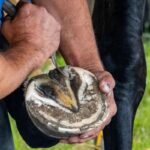
Synthetic dummy hooves are often made from rubber or polyurethane and mimic the texture and resistance of natural hoof material. They are affordable, durable, and great for repeated use. 3D-printed hoof models bring more anatomical detail and sometimes simulate conditions like flares or cracks, offering advanced learners a chance to troubleshoot real-life challenges. Cadaver hooves, which are preserved from deceased animals, offer the most realistic texture and density. They are usually used in formal training environments and must be handled with proper safety protocols.
Tools You’ll Need for Practicing
To practice effectively, beginners should use a pair of hoof nippers—either training-grade or standard. A hoof stand or jack is essential for holding the practice hoof in position, and optionally a rasp and hoof knife can be used for comprehensive trimming simulations. Safety gear like a farrier apron, gloves, and eye protection are also important for developing good habits.
Tips for Effective Practice Sessions
It’s important to start slowly and focus on the fundamentals—grip, cutting angle, and pressure. A helpful approach is to “nip, reassess, and nip again,” ensuring precision rather than haste. Practicing on both front and hind hoof models will help improve body positioning and familiarity with real-life postures. As skills progress, students should introduce models with more complex hoof conditions to challenge and refine their technique.
Where to Find Practice Hooves
Practice hooves, whether synthetic or 3D-printed, are commonly available through online farrier supply retailers or training centers. Veterinary schools may offer resources as well. For cadaver hooves, permission-based access may be arranged through equine hospitals or educational institutions, where appropriate safety guidelines are in place.
How Often Should You Practice?
Consistent, short practice sessions—20 to 30 minutes a day, several times a week—can lead to noticeable improvements in control and confidence. Mixing different hoof types and tools will expose learners to a wider range of trimming conditions. Seeking feedback from mentors or reviewing video recordings of your practice can help correct mistakes early.
Common Mistakes to Avoid
Beginners sometimes use dull tools or the wrong size of nippers, which can compromise both safety and effectiveness. Overcutting or applying uneven pressure is another common issue. Also, poor posture during practice may cause fatigue or long-term strain, so attention to ergonomic stance is important.
Conclusion & Next Steps
Training on dummy or cadaver hooves provides a risk-free environment for developing hoof nipper skills. These tools allow learners to practice critical techniques while building confidence and hand control. With regular, focused practice, beginners will be ready to work on live horses under professional supervision—a key step toward becoming a skilled farrier.
FAQs
Q1: Are dummy hooves realistic enough for professional training?
Yes, especially high-quality synthetic and 3D-printed versions designed for educational use.
Q2: Can cadaver hooves spread disease?
When handled properly with gloves and disposed of under professional guidelines, they are safe.
Q3: How long does it take to get confident with hoof nippers?
With consistent practice, most learners build control and confidence within 2 to 4 weeks.