Halton, Ontario – September 2025
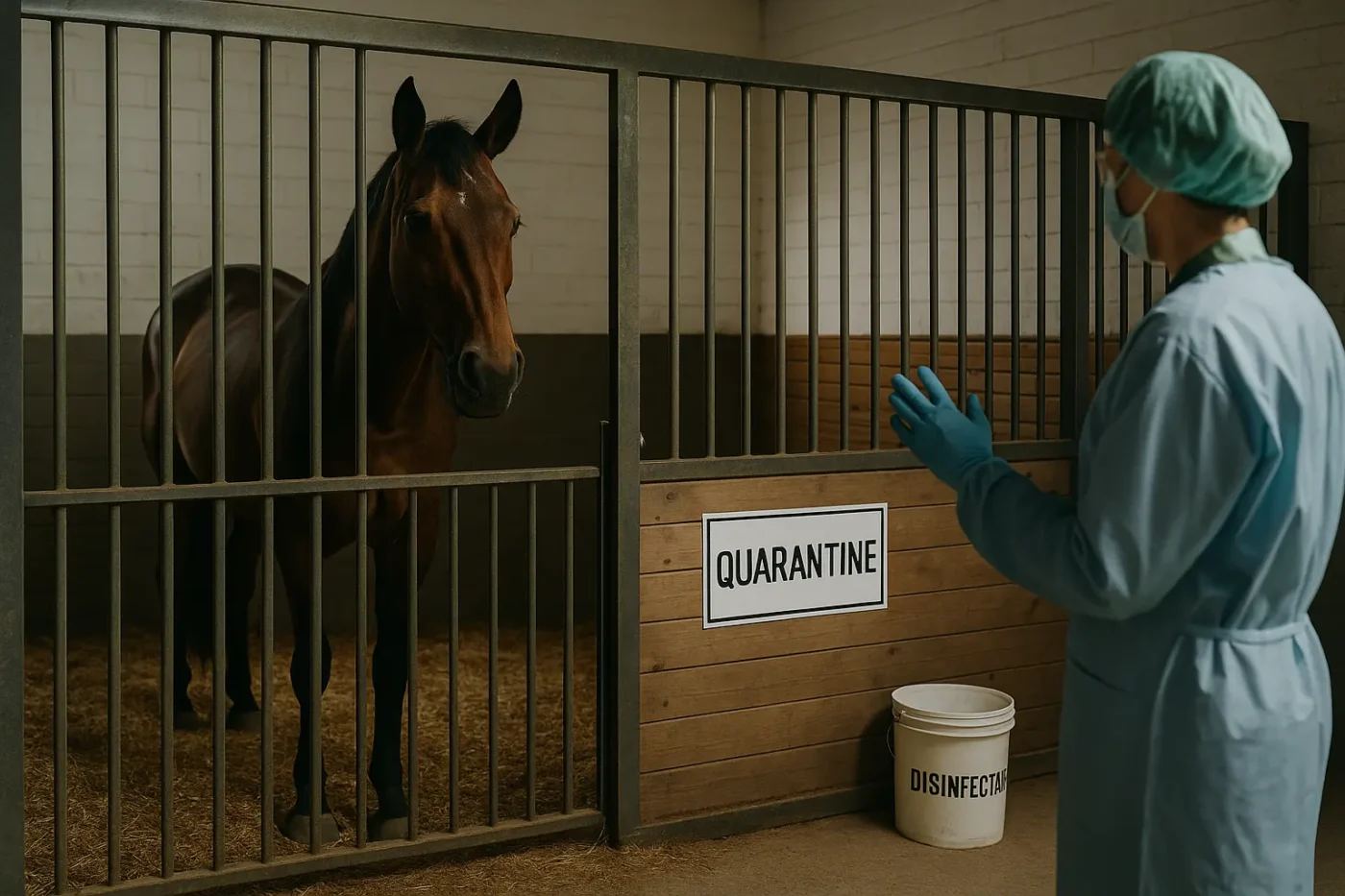
A mare from the Regional Municipality of Halton tested positive for Equine Herpesvirus-1 (EHV-1) after exhibiting neurological signs earlier this month. The horse is currently under veterinary monitoring and receiving supportive care.
The case was reported through the horse Disease Communication Center (EDCC) Health Watch system, which monitors and disseminates horse health information to help prevent larger epidemics.
What is EHV-1?
EHV-1 is a highly contagious virus that affects horses’ respiratory, neurological, and reproductive systems.
- Respiratory indicators include nasal discharge, coughing, and fever (frequent in young horses).
- Neurological symptoms include weakness, loss of coordination, reduced tail tone, and, in severe cases, the inability to stand.
- Reproductive risk: can lead to abortion in pregnant mares.
The neurological form often appears a few days after initial fever or respiratory signs.
How Does It Spread?
The virus can be transmitted through:
- Direct contact between horses.
- contaminated tack, water containers, and grooming gear.
- People’s clothing, shoes, or hands following contact with an infected horse.
As a result, biosecurity measures are crucial in barns and facilities where horses are housed together.
Prevention Measures
- Isolate unwell horses promptly.
- Disinfect shared equipment periodically.
- enforce sanitary rules for handlers.
- Observe other horses closely for early danger signals.
While vaccines exist, scientists warn that existing immunizations do not provide protection against the neurological variant of EHV-1. Strong barn management and prevention are still the most effective protection.
📌 Reference: Equine Disease Communication Center (EDCC)