Kissing Spines in Horses requires a combination of therapies to relieve pain and restore mobility. This article covers diagnosis, treatment options including medications, injections, shockwave therapy, rehabilitation, and surgical interventions, along with expert insights from Dr. Nathan Canada.
Kissing Spines in Horses – Understanding the Condition
Kissing spines, or dorsal spinous process impingement, is a condition where the vertebrae in a horse’s back come too close together, causing pain and discomfort. Horses with this condition may show stiffness, reduced performance, or abnormal movement patterns. Early diagnosis is essential for effective management and long-term care.
Treatment Options for Kissing Spines
Horses diagnosed with kissing spines may benefit from a combination of interventions:
- Nonsteroidal anti-inflammatories (NSAIDs): Reduce pain and inflammation.
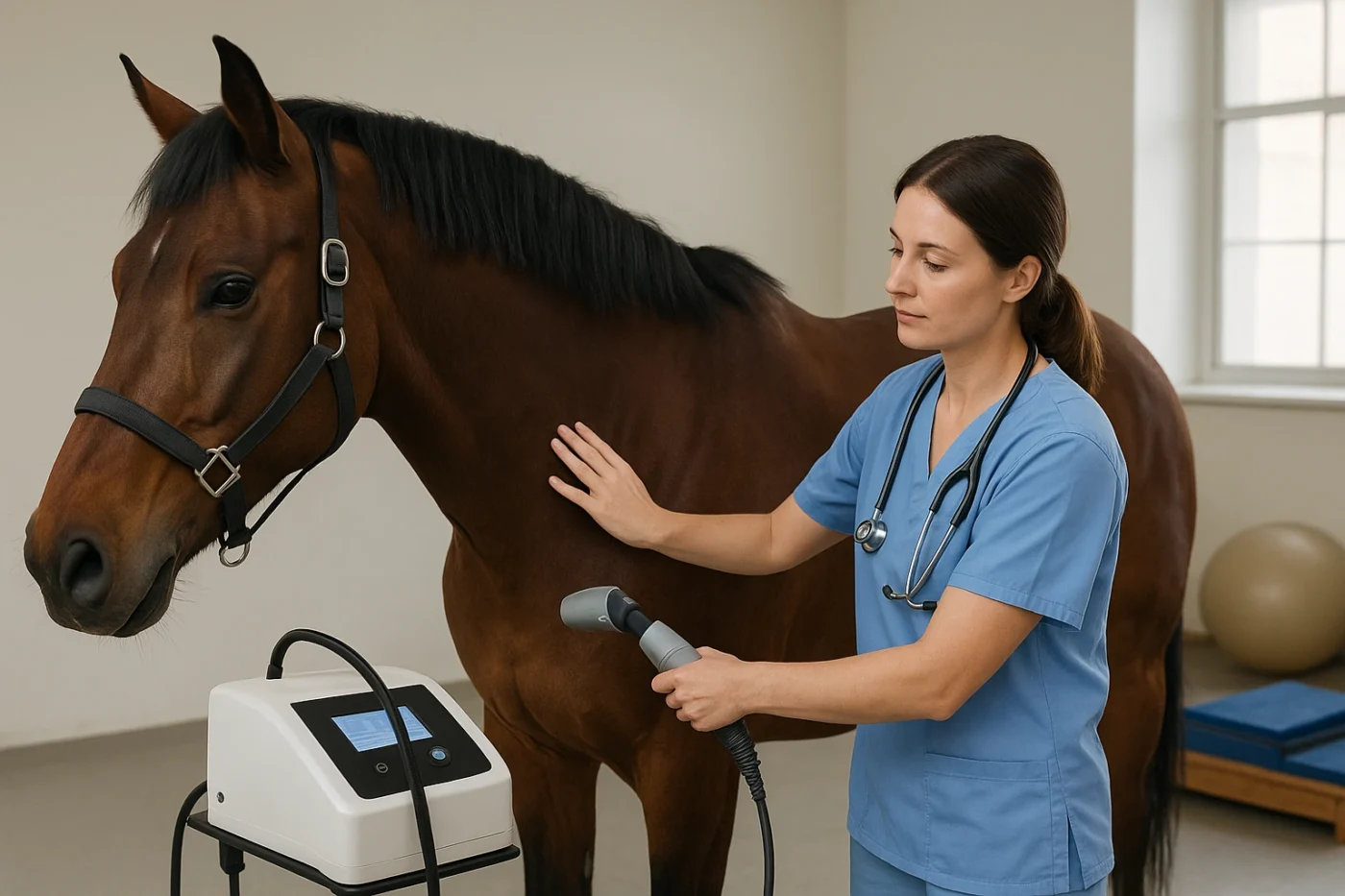
- Shockwave therapy: Stimulates healing and alleviates discomfort.
- Injections: Corticosteroid or other targeted injections to manage pain.
- Physical rehabilitation: Includes stretching, core strengthening, and tailored exercise programs.
- Surgery: Considered in advanced cases to relieve pain and restore mobility.
Expert Insights from Dr. Nathan Canada
Dr. Nathan Canada, DVM, MS, Dipl. ACVS, of Texas Equine Hospital, Bryan, provides valuable guidance on managing chronic spinal conditions in horses. In an Ask TheHorse Live podcast excerpt, Dr. Canada emphasizes individualized treatment plans combining medical therapy, rehabilitation, and sometimes surgery to optimize outcomes for each horse.
About Dr. Nathan Canada
Dr. Canada attended Oklahoma State University’s Center for Veterinary Health Sciences, earning his DVM in 2011. He completed internships and an equine surgery residency at Peterson and Smith Equine Hospital and Kansas State University’s Veterinary Health Center, achieving diplomate status in 2017. Outside of veterinary medicine, he enjoys family time, church activities, and outdoor hobbies like fishing.