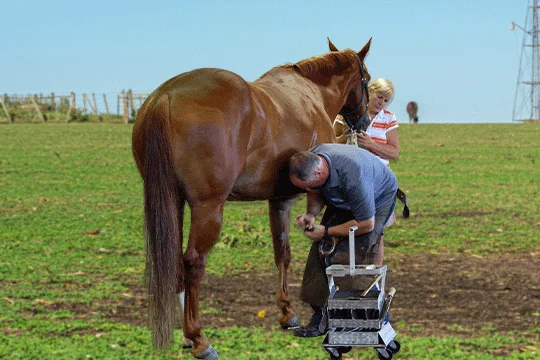
Using a hoof knife might look simple, but it’s actually one of the most precision-driven skills in hoof care. One wrong cut can damage the hoof—or your hand. Many beginners either over-trim or hesitate out of fear. Even experienced trimmers sometimes develop habits that can affect precision.
This guide shows you how to handle and use a hoof knife like a seasoned pro. Whether you’re just starting or want to sharpen your technique, you’ll learn how to work safely, efficiently, and confidently with every trim.
Understanding Your Hoof Knife
Before learning how to cut, you need to understand what you’re cutting with. Your tool selection sets the tone for everything else in the trimming process.
Before you even pick up the tool, know what you’re working with. A hoof knife has a sharp, curved blade (either single- or double-edged) designed to remove dead sole and frog material. There are also loop knives, which cut in both directions, and narrow or wide-blade versions for different hoof shapes.
Choose the right knife for your job: a wide blade for large, flat hooves; a narrow blade for tight frog clefts or abscess tracking. Always ensure your knife is sharp—dull knives force you to use more pressure, increasing the risk of slips and fatigue.
Proper Grip and Hand Positioning
Once you’ve chosen your knife, the way you hold it plays a huge role in trimming safety and control.
Hold the knife firmly but not tensely. Grip the handle with your dominant hand and support the blade with the thumb of your non-dominant hand on the spine (the blunt back side). This thumb-bracing technique gives you better control and reduces accidental deep cuts.
Your wrist should be neutral—avoid twisting or flexing too much. Let your forearm and shoulder do the guiding. Keep your elbow close to your body for stability, especially during detailed frog trimming or when cleaning the white line, which marks the junction between the hoof wall and sole.
The Right Cutting Motion
With the right grip established, you now need to focus on how you move the blade. As taught in certified farrier programs and outlined in references like Doug Butler’s Principles of Horseshoeing, mastering controlled cutting strokes is critical for both safety and effectiveness. Precision, not power, defines effective hoof trimming.
Use controlled, pulling strokes toward your body—not downward or forceful jabs. You’re paring, not chopping. Let the knife skim thin layers, allowing you to feel for the transition between dead and live tissue.
Work from the outside of the hoof toward the center, especially when trimming sole material, and always maintain awareness of underlying structures such as the sole callus and the coffin bone margin. Apply the tip of the blade to clean out sulci and frog crevices, being particularly careful around the frog apex and central sulcus. These areas lie close to sensitive structures like the digital cushion and should always be approached with a delicate, gradual touch. For abscesses, the point of the knife can follow a track gently, removing necrotic material without going too deep.
Hoof and Body Positioning
Controlling the hoof’s position—and your own—prevents accidents and reduces fatigue. Your posture and hoof support setup directly impact your efficiency.
Rest the hoof on a hoof stand or between your knees, depending on the leg and your trimming style. Keep the hoof at a comfortable height—usually around your knee level. Always position yourself so that if the knife slips, it won’t cut into your leg or hand.
For hind feet, use a hoof stand to avoid awkward wrist angles and reduce strain. If the horse is fidgety, enlist a handler or take breaks to reset your posture and ensure safety for both you and the animal.
Key Do’s and Don’ts
Always keep your knife razor-sharp and use both hands for better control—your non-dominant hand should support the blade. Make multiple shallow passes rather than deep gouges, and stop immediately if you’re unsure whether you’re touching live tissue.
Avoid prying with your hoof knife; use a hoof pick for removing debris like dirt or gravel. Never cut toward your leg or hand. Using a dull or rusty blade increases the risk of slips and injury. Lastly, don’t rush the process—hoof trimming is a detailed, tactile skill that rewards patience and precision.
Common Mistakes and How to Avoid Them
One of the most common issues is over-trimming. Removing too much frog or sole can cause pain or lameness. Always observe color and texture; stop when the surface appears smooth and waxy. This layer is known as the live sole, which protects the underlying internal structures such as the coffin bone.
Another mistake is using the wrong knife size. For instance, trying to clean a narrow sulcus with a wide blade leads to slips and damage. Always match your tool to the hoof’s proportions and task.
Poor body mechanics also contribute to hand strain and fatigue. A hunched back or over-rotated wrist not only hurts over time but also reduces precision. Stay relaxed and adjust the hoof’s height regularly.
Finally, never ignore discomfort signals from the horse. Flinching, shifting weight, or pulling away usually indicates you’re close to live, sensitive tissue. Pause, reassess, and proceed with care. Mistakes are part of learning—what matters most is noticing them early and adjusting your technique as you go.
Conclusion
Mastering proper knife technique takes practice, awareness, and consistency. With proper grip, motion, positioning, and awareness of hoof anatomy, you’ll minimize mistakes and deliver safer, cleaner hoof work. Whether you trim professionally or care for your own horses, these fundamentals will help you trim with more confidence and care, whether you’re new to the craft or sharpening years of experience. Our tools are trusted by professionals and meet the standards of farrier associations such as the American Farrier’s Association and the British Farriers and Blacksmiths Association—ensuring the precision, control, and comfort that professionals depend on.
Take Home Message
Looking to upgrade your knife or need a better fit? Browse our curated hoof knife collection at EquineCares.com—featuring professional-grade tools selected by experienced farriers to meet the highest standards of control, blade quality, and trimming precision. At Equine Care, we don’t just sell tools—we equip you with the knowledge to use them confidently.
FAQs
How often should I sharpen my hoof knife? After every few horses, or any time you feel resistance while cutting. Professional farriers often touch up the edge between trims using a fine sharpening stone or strop.
Should I use one hand or two when trimming? Always support the blade with your non-dominant hand for better control.
Can I use a hoof knife for cleaning out rocks or mud? No. Use a hoof pick first to avoid dulling or damaging the blade.
What if I accidentally cut into live tissue? Stop immediately, clean the area, and monitor for sensitivity or bleeding. Consult a vet if needed.