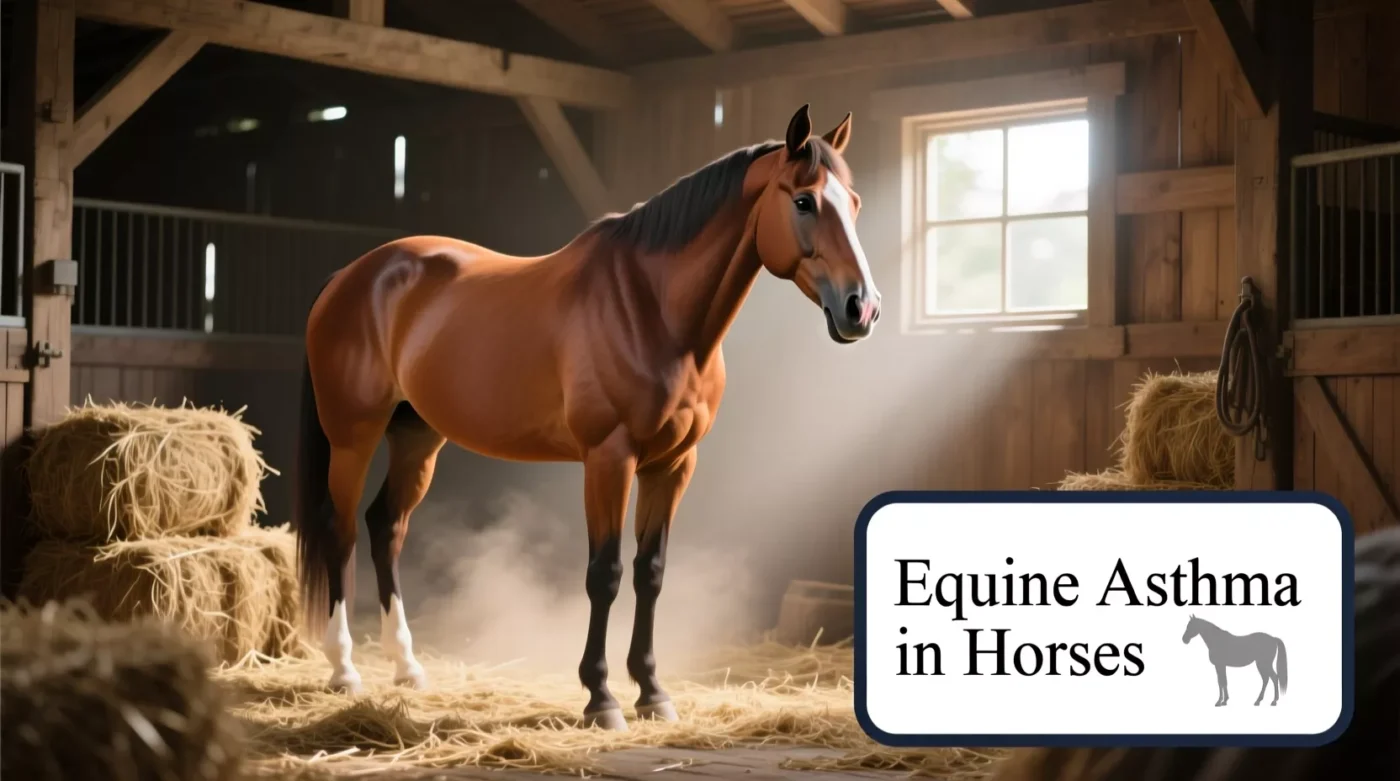
Equine asthma in horses is a common chronic respiratory condition affecting horses of all ages, from backyard companions to elite athletes. Early recognition and proper management can help horses live comfortable, active lives.
What Is Equine Asthma in Horses?
Equine asthma in horses is a term used to describe chronic, noninfectious airway inflammation. Older terms such as heaves, recurrent airway obstruction (RAO), or inflammatory airway disease are now grouped under this single category. It closely resembles human asthma in its causes and symptoms.
There are two main forms:
- Mild to moderate asthma: Often seen in younger horses, especially those in training or competition. Signs may be subtle, such as occasional coughing, nasal discharge, or reduced performance. Many horses show no overt symptoms.
- Severe asthma: Typically affects older horses. Signs include frequent coughing, labored breathing at rest, flared nostrils, and reduced exercise tolerance. Severe asthma is often seasonal, worsening in winter with hay feeding or during summer pasture exposure.
Causes of Equine Asthma in Horses
The primary trigger is exposure to dust and airborne irritants:
- Hay dust and molds: Even high-quality hay contains spores that can trigger asthma. Round bales and hay nets increase exposure.
- Straw bedding: Produces high levels of respirable dust.
- Poor barn ventilation: Traps dust and ammonia inside stables.
- Seasonal allergens: Outdoor molds and pollen can trigger pasture-associated asthma.
Other contributing factors include genetics, immune sensitivity, and sometimes bacteria or viruses. However, dust and mold remain the major drivers.
Recognizing Signs of Equine Asthma in Horses
Early symptoms can be subtle. Horse owners should watch for:
- Coughing, especially during or after exercise
- Slower recovery or decreased performance
- Labored breathing, flared nostrils, or visible “heave line” in severe cases
Veterinary evaluation is essential to differentiate asthma from infections or other respiratory conditions.
Diagnosing Equine Asthma in Horses
Veterinarians diagnose equine asthma in horses through:
- History and physical examination: Observation of signs over time
- Endoscopy: Detects excess mucus in the airways
- Bronchoalveolar lavage (BAL): Identifies inflammation in the lungs
- Lung function testing: Performed at specialized centers
Managing Equine Asthma in Horses
Environmental Strategies
Reducing exposure to dust and molds is the most effective strategy:
- Turnout: Pasture living reduces dust exposure, though barn shelter may be needed for summer-pasture asthma.
- Feed adjustments: Replace dry hay with haylage, hay cubes/pellets, steamed, or soaked hay.
- Bedding: Avoid straw; use wood shavings, paper, or specialized low-dust bedding.
- Barn ventilation: Keep windows and doors open; avoid sweeping or feeding from hay nets/racks.
These environmental adjustments may take 5–6 weeks to show measurable improvement.
Medical Treatment
When environmental management alone is insufficient, veterinarians may prescribe:
- Corticosteroids: Reduce airway inflammation (oral, injection, or inhaled). Inhaled options target the lungs directly with fewer side effects.
- Bronchodilators: Relax airway muscles to ease breathing; best used with steroids.
- Supplements: Omega-3 fatty acids from marine sources (fish oil, algae) can support lung health, especially in neutrophilic asthma.
Living with a Horse with Equine Asthma
With proper care, horses with asthma in horses can continue training and competing successfully. The key steps are:
- Recognizing early signs of asthma
- Minimizing exposure to dust and allergens
- Working closely with a veterinarian to create a tailored management plan
Recent innovations, like wearable dust monitors, may soon allow owners to track environmental triggers more accurately and prevent flare-ups.
References:
Laurent Couetil, DVM, PhD, Dipl. ACVIM-LAIM, Purdue University College of Veterinary Medicine, Equine Disease Quarterly, Vol. 34, Issue 4.