Executive Summary:
Choosing between barefoot and shod hoof care is a significant decision affecting your horse’s health and performance. This guide provides an insightful comparison between barefoot and shoeing practices, a step-by-step guide to transitioning horses to barefoot, essential information on selecting and fitting hoof boots, debunking common myths, and understanding when horseshoes are necessary. Horse owners, trainers, breeders, and farriers will gain a deeper understanding of natural hoof care principles and practical application for optimized equine wellness.
Introduction
Natural hoof care, including barefoot management, has gained popularity as horse owners increasingly recognize the potential benefits to equine health and performance. However, misconceptions and conflicting advice often leave owners uncertain about choosing barefoot care versus traditional shoeing. Imagine transitioning your horse to barefoot and noticing gradual improvements in their mobility and overall hoof health. This comprehensive guide clarifies key considerations, providing detailed insights into barefoot advantages, transitioning procedures, hoof boot selection, and distinguishing fact from myth in natural hoof care. By the end, you’ll be empowered to make informed hoof-care decisions that best suit your horse’s specific needs.
Body Content
Barefoot vs. Shoeing: Pros, Cons, and What’s Best for Your Horse
Understanding the differences between barefoot and shoeing options is crucial for optimal hoof health. Barefoot management offers enhanced hoof circulation, improved hoof strength, and reduced risk of certain hoof ailments, while shoeing provides protection on rough terrains, correction of severe hoof problems, and support for high-performance activities. The decision between barefoot and shoeing should evaluate your horse’s
workload, terrain, hoof quality, and professional veterinary advice.
Transitioning to Barefoot: A Step-by-Step Guide for Horse Owners
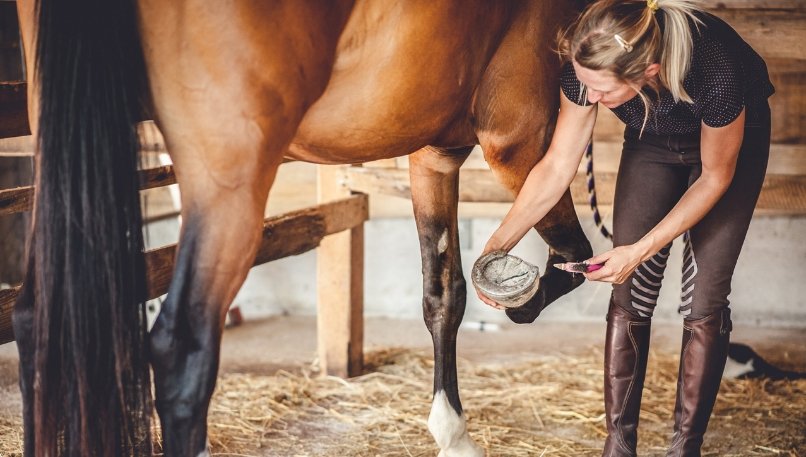
Transitioning a horse to barefoot requires patience, care, and systematic planning. Start by consulting a professional farrier to assess hoof health and suitability. Begin with balanced trimming tailored to the barefoot method and gradually introduce varied surfaces to naturally strengthen the hooves. Regular trims every 4-6 weeks initially are essential, along with close monitoring for discomfort or lameness. Long-term management involves continued careful hoof care and periodic professional evaluations. For instance, many owners report noticing increased hoof durability and horse comfort after successfully transitioning their horses to barefoot.
Hoof Boots 101: How to Choose and Fit Boots for a Barefoot Horse
Hoof boots protect and support barefoot horses during transitioning, trail rides, or challenging terrains. Select boots based on precise hoof measurements, intended use, and terrain type to ensure optimal protection. Proper fitting is critical to prevent rubbing or discomfort, and regular maintenance, including cleaning, inspection, and adjustments, extends the boots’ lifespan and effectiveness.
Natural Hoof Care Myths vs. Facts
Many misconceptions surround barefoot hoof care. Clarifying these enhances informed decision-making. Not all horses can thrive barefoot, particularly those with specific medical or performance needs. Performance improvements from barefoot management typically require a careful, gradual transition period. Additionally, regular, precise trimming remains essential for maintaining optimal hoof structure and function, debunking the myth that barefoot horses require less hoof maintenance.
Is Barefoot Right for Every Horse? When to Use Horseshoes Instead
Not every horse can remain comfortably barefoot. Barefoot management is ideal for horses with strong hoof walls, lighter workloads, and softer terrains. Horseshoes become necessary for horses with specific hoof pathologies, intense workloads, competitive performance demands, or consistent exposure to abrasive terrains. Understanding individual horse needs ensures the right approach for optimal hoof health and comfort.
Conclusion
Adopting barefoot or natural hoof care practices offers significant benefits, but suitability depends heavily on individual horse needs, conditions, and workload. Making informed decisions guided by professional input, careful transition procedures, and ongoing assessment ensures optimal hoof health and equine welfare. Many horse owners have reported enhanced hoof strength, reduced lameness, and improved overall performance after transitioning their horses to barefoot management, highlighting practical benefits.
FAQs
- How long does transitioning to barefoot typically take?
Generally, transitioning can take several weeks to several months depending on the horse’s initial hoof condition and adaptation ability. - Can hoof boots completely replace traditional shoes?
Hoof boots offer temporary protection and support but might not replace traditional shoes for horses with specific long-term needs. - How frequently should barefoot hooves be trimmed?
Typically every 4-6 weeks, depending on growth rates and hoof wear. - Are there risks involved in transitioning a horse to barefoot?
Yes, risks include temporary soreness, hoof sensitivity, or minor lameness, necessitating close monitoring and professional support. - Can barefoot horses compete in all disciplines?
Many barefoot horses successfully compete, but specific disciplines requiring intense hoof traction or protection may still require horseshoes. - What signs indicate that barefoot care might not suit my horse?
Persistent hoof tenderness, recurring cracks, or noticeable performance declines suggest the need for shoes or alternative care methods.